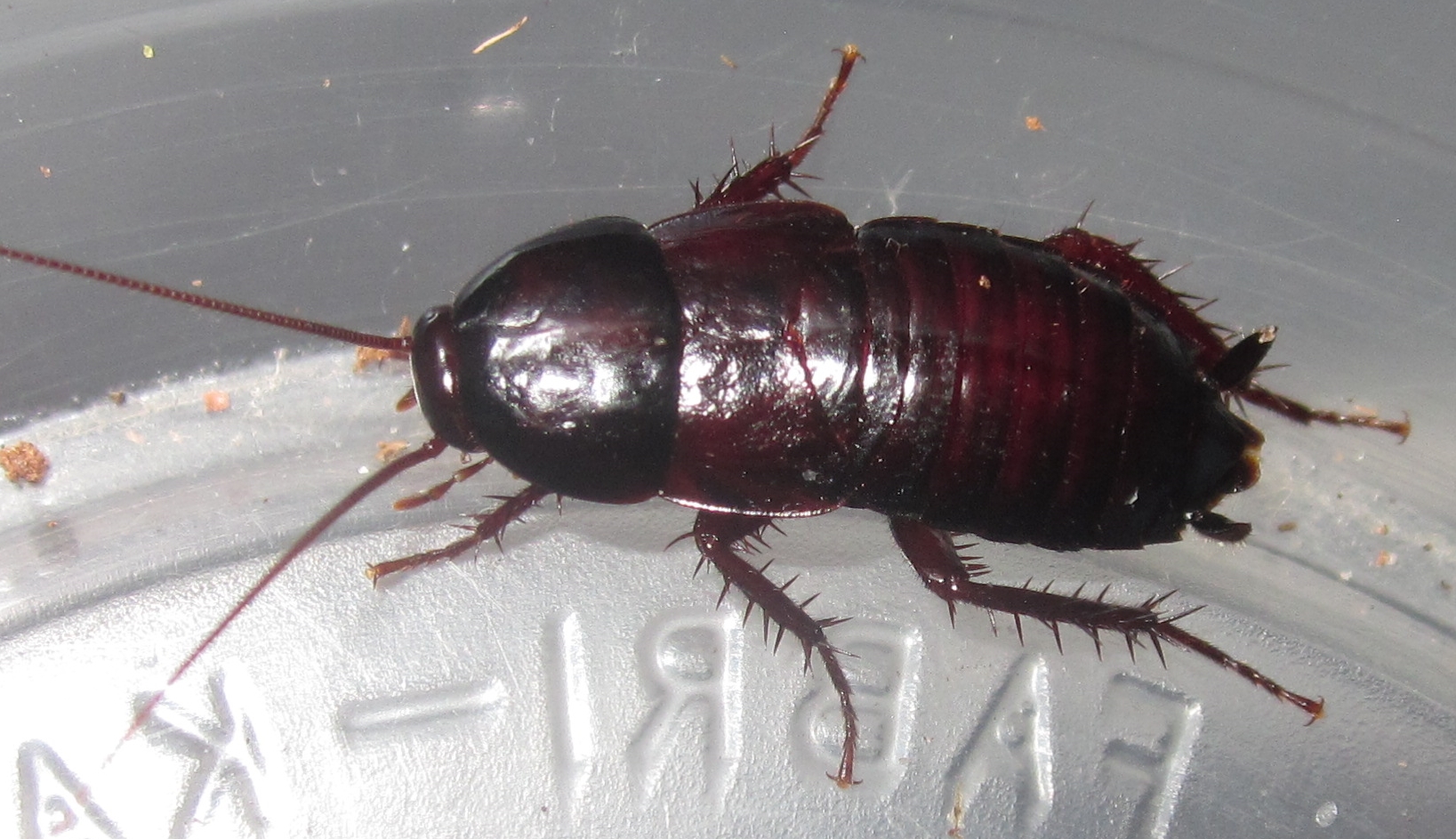
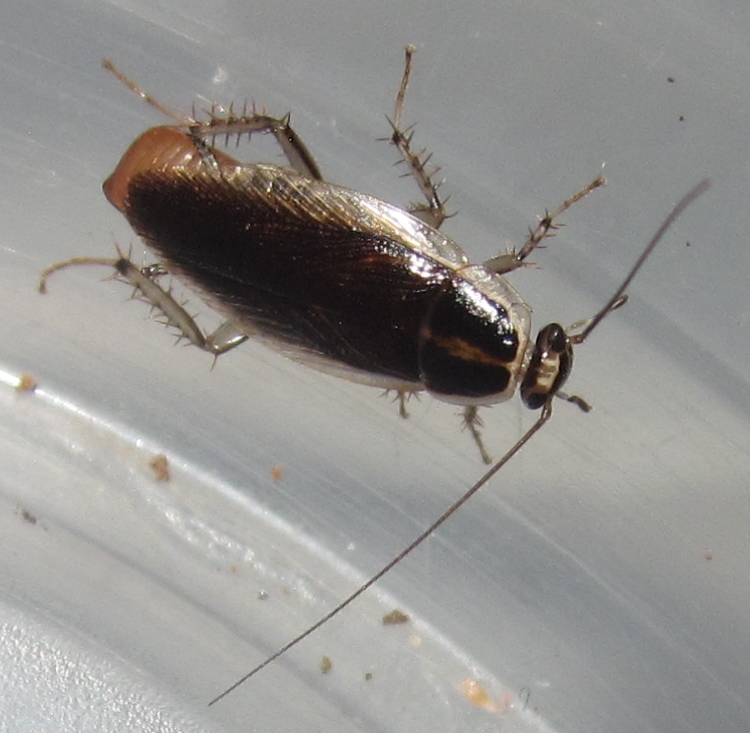
I just got in some amazing new roach species, that (to my knowledge) aren't being cultured in the US, and all but one have never been bred here before! 😄
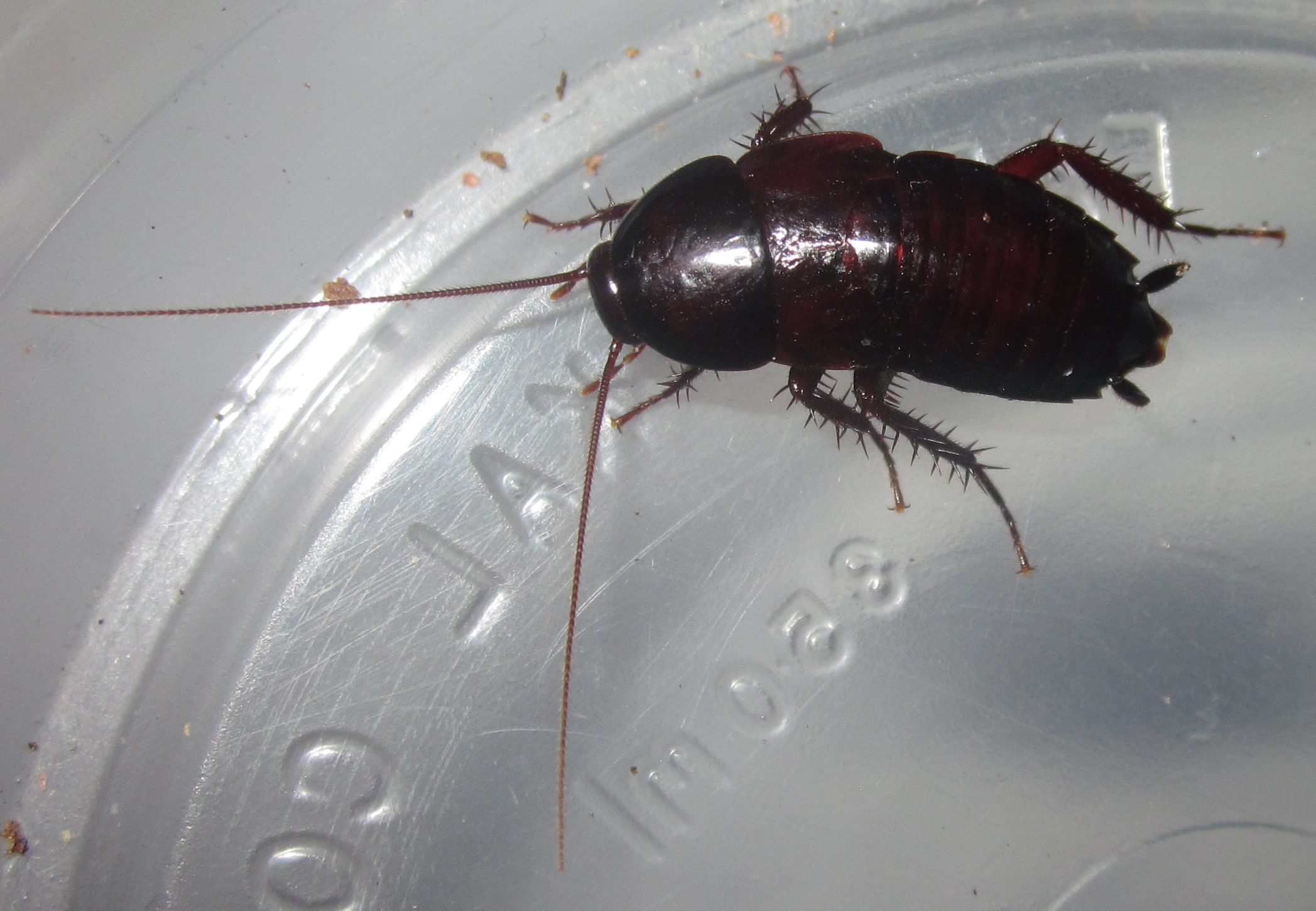
Let's start with Afrostylopyga sp. "Gbazabangui, Bangui, Central African Republic", a species I've heard VERY little about in the few years they've been in culture. Now, the ID for this stock is interesting, because Afrostylopyga is a neat little Blattid genus described in 2014, that is currently monotypic... However this "Bangui" stock apparently doesn't match the only described species, A.angolensis.
ID aside, these are a plain looking but cute little Blattid, one of the smallest Blattidae currently in culture certainly. Adults of both sexes have tiny, vestigial tegmina, though all life stages can climb.
I've got my two nymph pairs set up in well ventilated container with a thin layer of coconut fiber as the substrate, with a 50/50 humidity gradient. I've given them bark and leaf litter for hides, and am keeping them at around 75-85F°. I'm feeding them dog food and fruits as the staple diet.
Here are some pictures of a pair of adults:
 |
| Female |
 |
| Male |
 |
| Pair |
A neat little species for sure, one I hope will become swiftly established in the US hobby. 😊
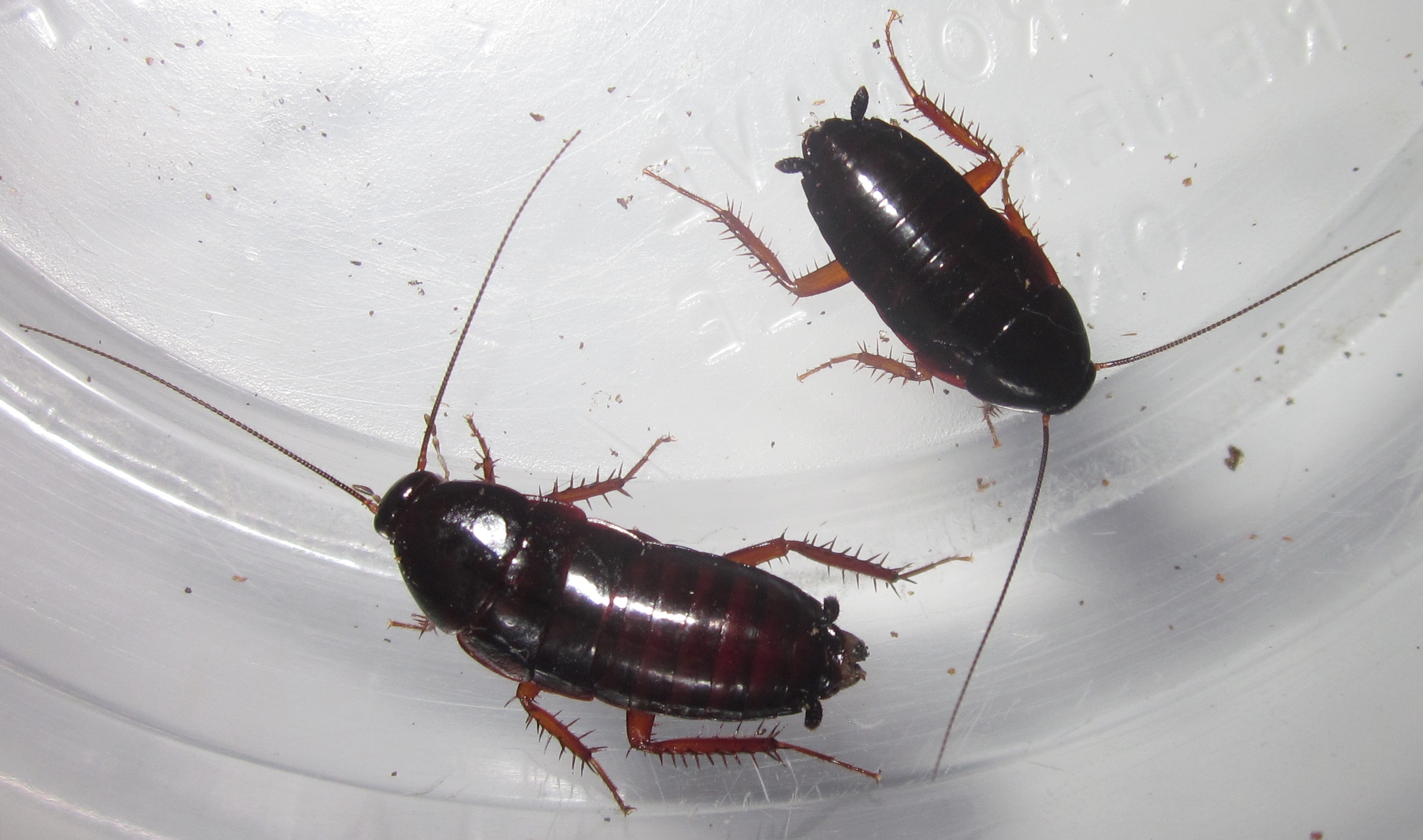
Now for another neat Blattid, Hebardina ugandana. These little cuties are also small, brown/black and of African descent, like the Afrostylopyga, but with slightly larger tegmina (still can't fly though).
Now, these have been in the US before, as I have a friend who tried breeding them here once. However, apparently they can be a bit finicky at times, and he was never able to get their oothecae to hatch. They seemed easy enough to rear otherwise, but their ooths just never hatched for him. Hopefully I'll be able to avoid this issue, and we'll see them established in the US hobby soon. 🤞 😅
I have my 20+ mixed individuals set up in well ventilated container with a thin layer of coconut fiber as the substrate. I've given them leaf litter and cardboard rolls for hides, and have them on a 50/50 humidity gradient. Keeping them at around 75-85F°, and am feeding them dog food and fruits.
Here are some pictures of an adult pair:
 |
| Male |
 |
| Female |
 |
| Pair |
A cute little Blattid species, would love for more species like these to not only get established in the US hobby, but stay established, and gain popularity. These would definitely have feeder potential if a large enough colony was established, and overall I'd just love to see more "roachy" looking roaches being appreciated in the hobby.
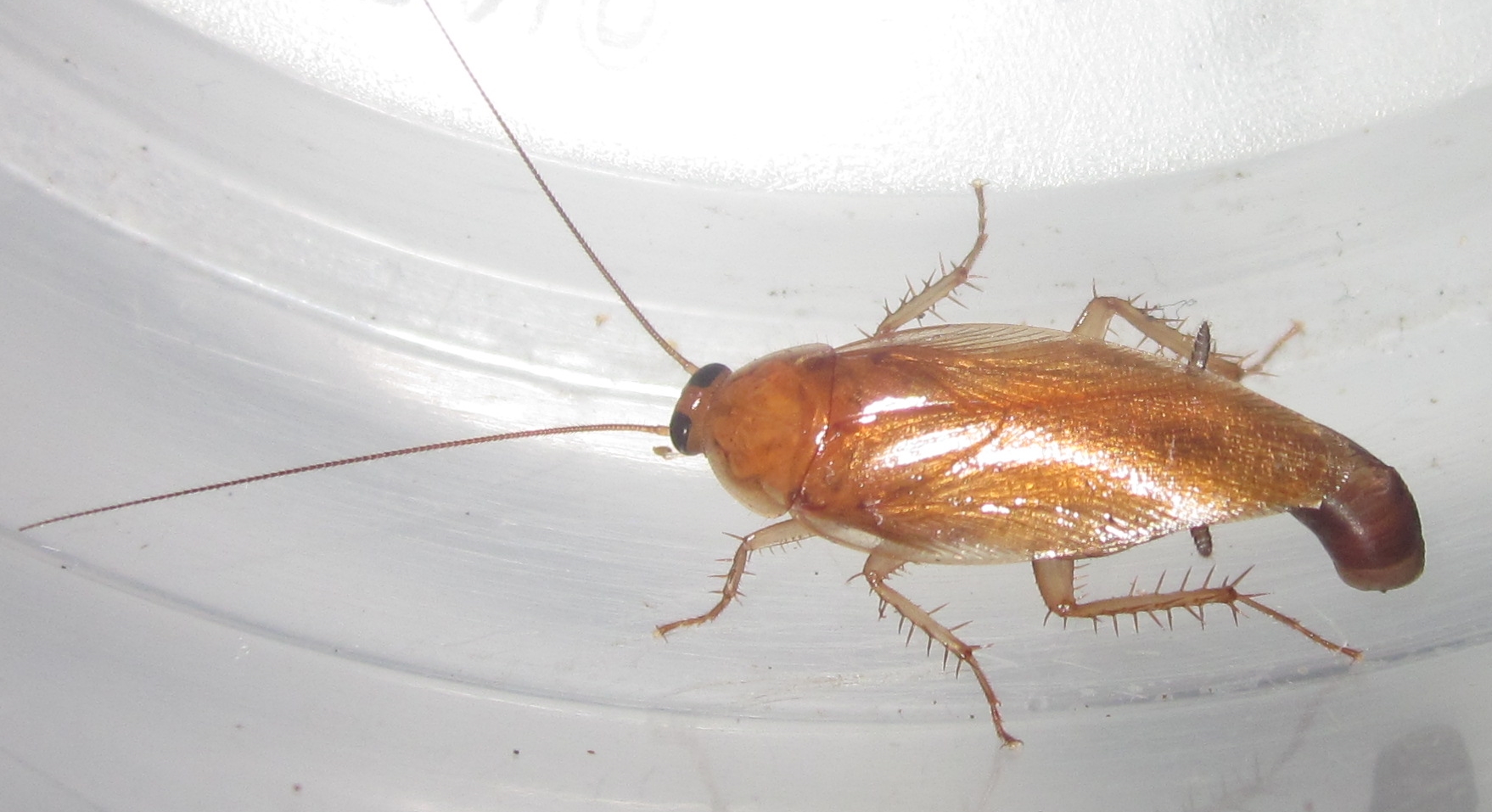
Next up, we have Blattellinae sp. "Xiamen, China". This little species looks a LOT like the Blattellinae sp. "Malaysia", AKA "Little Penguin Roaches" in culture here in the US, just a bit more sexually dimorphic, with females being more brown in color with a white line going down the middle of the pronotums, males being more black in color, without the pronotum line. Both species are probably Blattella spp., and the sp. "Xiamen" especially look a lot like Blattella singularis... But that's just a guess as to what species they could be.
Now, historically I've not done well with Blattella, though in my defense I'm pretty sure the Blattella lituricollis I received last time had some sort of fungal infection. Regardless, I am thankfully not the only person in the US who got these sp. "Xiamen" (and a couple others now have starter cultures of B.lituricollis as well), and I hope to have better luck with this species than lituricollis. 😅
I've got a single mated adult female set up in well ventilated deli cup with a thin layer of coconut fiber as the substrate, which I'm keeping moist. She has crumpled paper towels for hides, and I'm feeding her dog food and fruits. I'm keeping her at around 75F°.
Here are some pictures of a female, carrying an ooth:
Hopefully these do well for me, and if not, I hope my friends here in the US can breed them, and finally get them established in the US hobby. 😁
(Speaking of Blattella lituricollis BTW, those did make it into this box, and this time it's one of my buddies who'll be giving them a whirl, someone with better experience in breeding that genus than I, so hopefully he succeeds in establishing them here in the US! 😁).
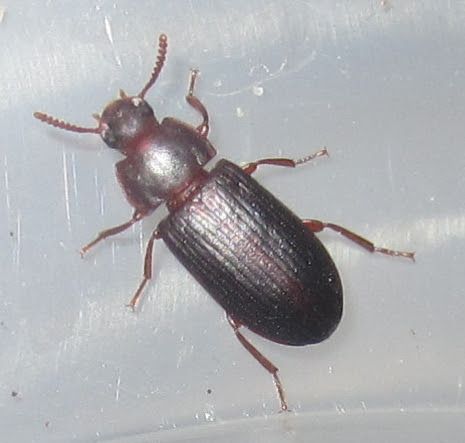
Lastly, a species I wasn't actually PLANNING on keeping, but I got stuck with Trichorhina tomentosa infested substrate that also had some nymphs left in it after sending the remainder (devil's rice free hopefully) off to my friends who actually bought them... 😂 Introducing, Episymploce sundaica!
This is a neat little species, the only member of this genus in culture actually. Pretty similar to Symploce, with this species in particular being rather easy to breed and prolific, preferring humid, but not stagnant conditions. These were established in the US hobby years ago, but then died out due to a couple random colony crashes, combined with a lack of interest in keeping them. So when the few existing cultures here fizzled out for whatever reason, that was it for them. But now they're back, and should get swiftly re-established and circulated back into the US hobby in no time. 😄
I've got my dozen or two nymphs set up in a well ventilated container, with a thin layer of coconut fiber as the substrate. They've got crumpled paper towels and leaf litter for hides, and I'm feeding them dog food and fruits. I'm keeping them humid, and at around 75F°.
Here are some pictures of an adult female... Pretty beat up after shipping, I'll have to take some better pictures of a fresh adult when I rear some of my hatchlings to adulthood:
An unassuming but neat little species nonetheless, another good, easy to breed roach for any Blatticulturist to bulk their collection up with. 😁 Their prolific breeding rates and soft bodied give them some decent feeder potential IMO.
Well, that does it for this post, thanks for reading, hope everyone enjoyed, stay safe, and I'll see you all next time! 😉