Showing posts with label Pycnoscelus rufa. Show all posts

Tuesday, January 13, 2026

Loboptera Locality Comparisons & More Cockroach Stuff!

I got some Loboptera decipiens "EU Hobby Stock" from Satchell Watts-Kerr at the beginning of last year, which are a couple generations into their breeding and still going strong! This is a cute European species with vestigial wings, and an overall black coloration with white margins around their bodies. This stock sadly does not have locality data, I suspect they are from Greece but can not confirm this.

I have them set up in a gallon jar with a fully vented lid. They have a thin substrate of coco fiber, topped with eggrcates for hides. I'm keeping them on a 50/50 humidity gradient, and have them at around 75-85F°. They are being fed dog food and apple slices as their staple diet.


A cute species for sure, and this line in particular has rather thick white margins, and banded legs.

But wait, we aren't done talking about L.decipiens! Because last year, I also obtained a locality stock of this species from "Trastevere, Rome, Italy". This line is a bit smaller than the EU hobby stock, with thinner white margins and darker, monotone legs. Care seems much the same, I have these set up identically to the "EU Hobby Stock", and they are now thriving for me as well!


AFAIK I'm the only one with a breeding culture of this locality stock at the moment, though hopefully that will change now that I have them available. 😊

And now for some comparison photos between the two stocks:

"EHS" (top) vs "Trastevere" (bottom)
"EHS" (left) vs "Trastevere" (right)

This is such a cute species, one that I hope catches on in popularity in the US hobby as either an occasional feeder species, or just as an oddity pet!

My Parcoblatta americana "Table Rock, Boise, Idaho" are still going strong, it's been a while since I took any photos of them, and I specifically wanted to get some decent shots of an adult pair together, which I think I achieved. 😄


The female was definitely the more photogenic of the two, but I think I got a couple OK pair shots in there. 😅

The Perisphaerus horaianus colony is thriving now, absolutely exploding in population, which I just love to see! It seems providing them with wood hides instead of only bark really helped boost their numbers, as well as switching them to a humidity gradient rather than keeping the entire enclosure humid.


This is but a fraction of my colony, crazy to think just a couple years ago I was really struggling to get these to breed for me!

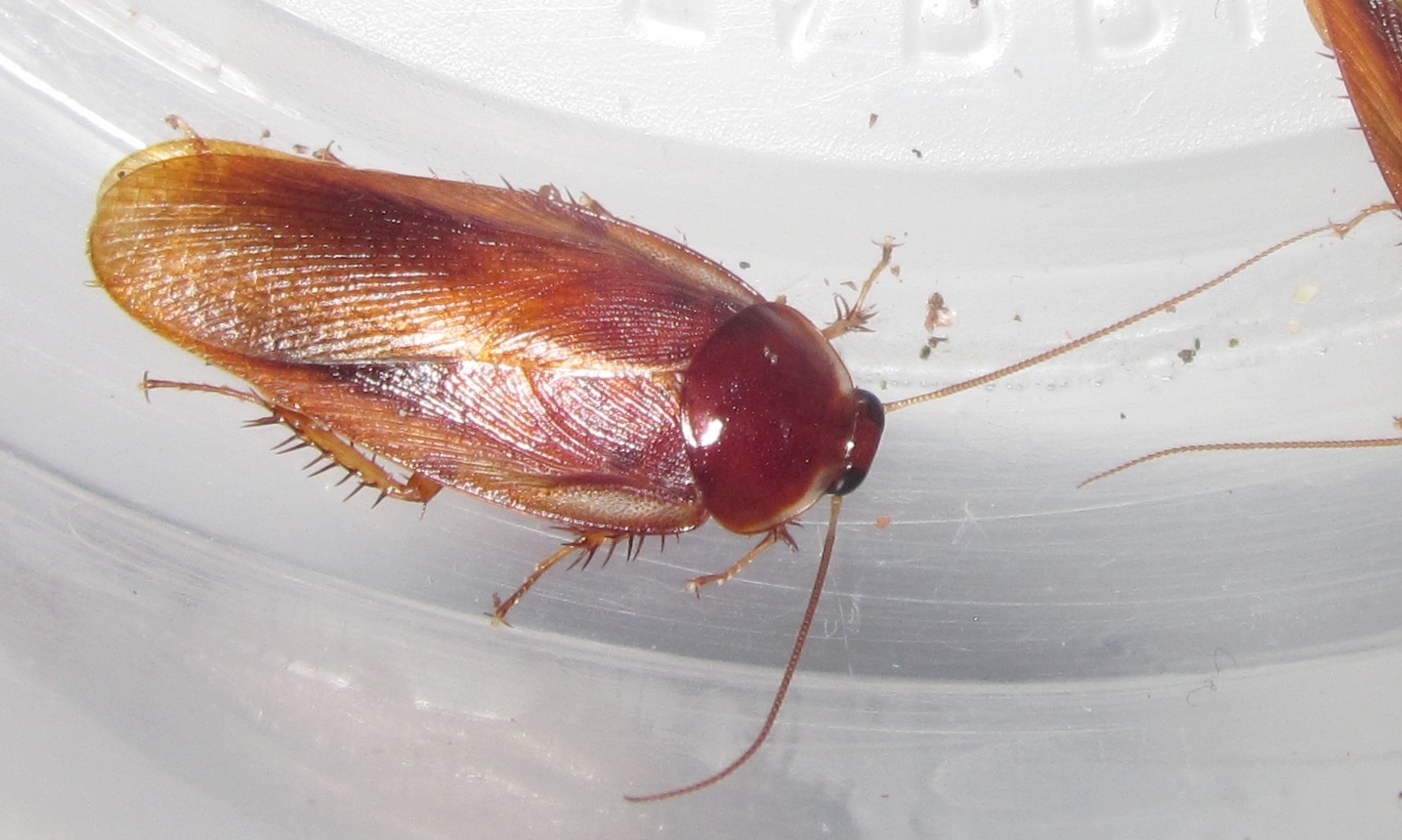
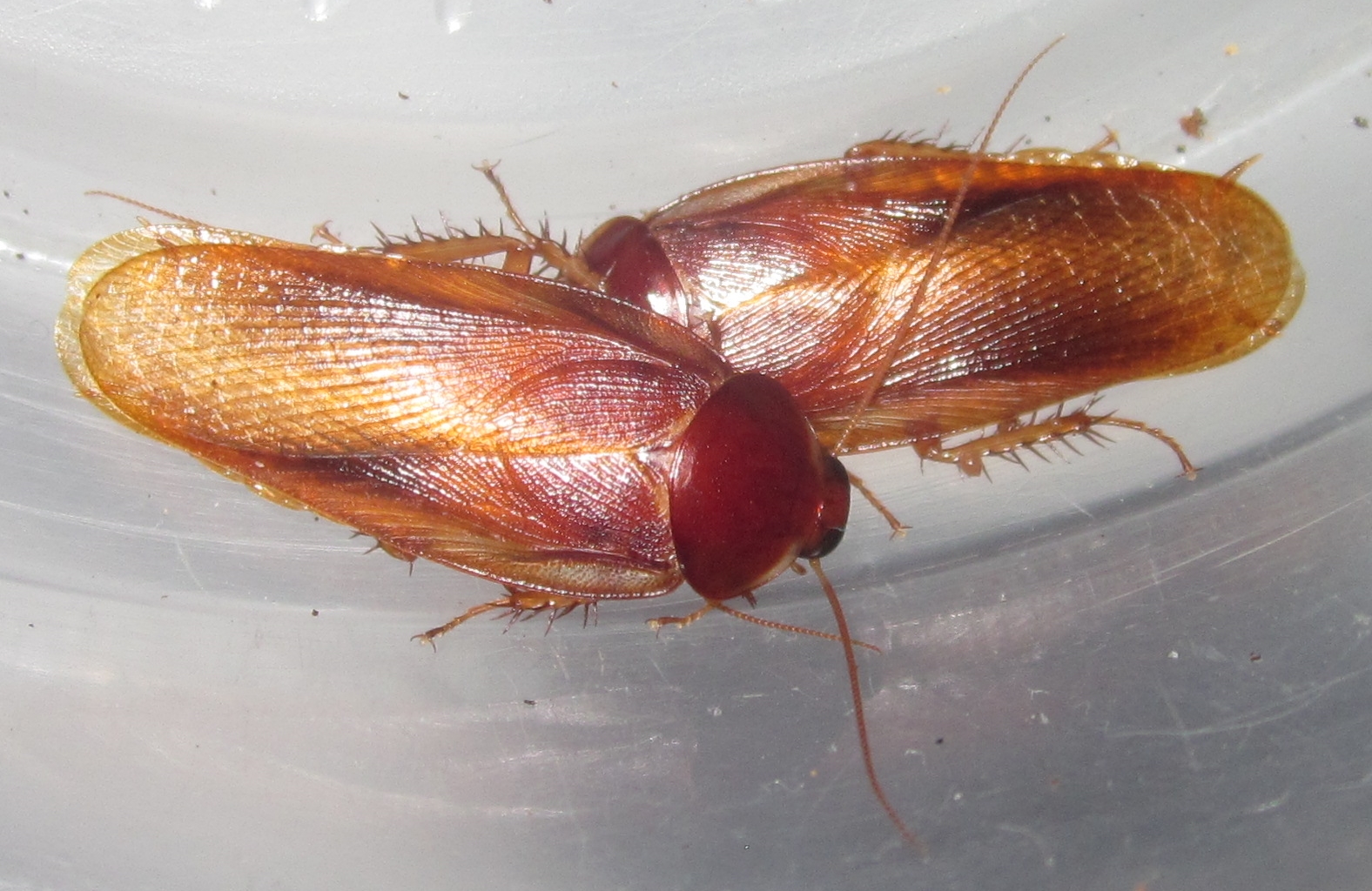
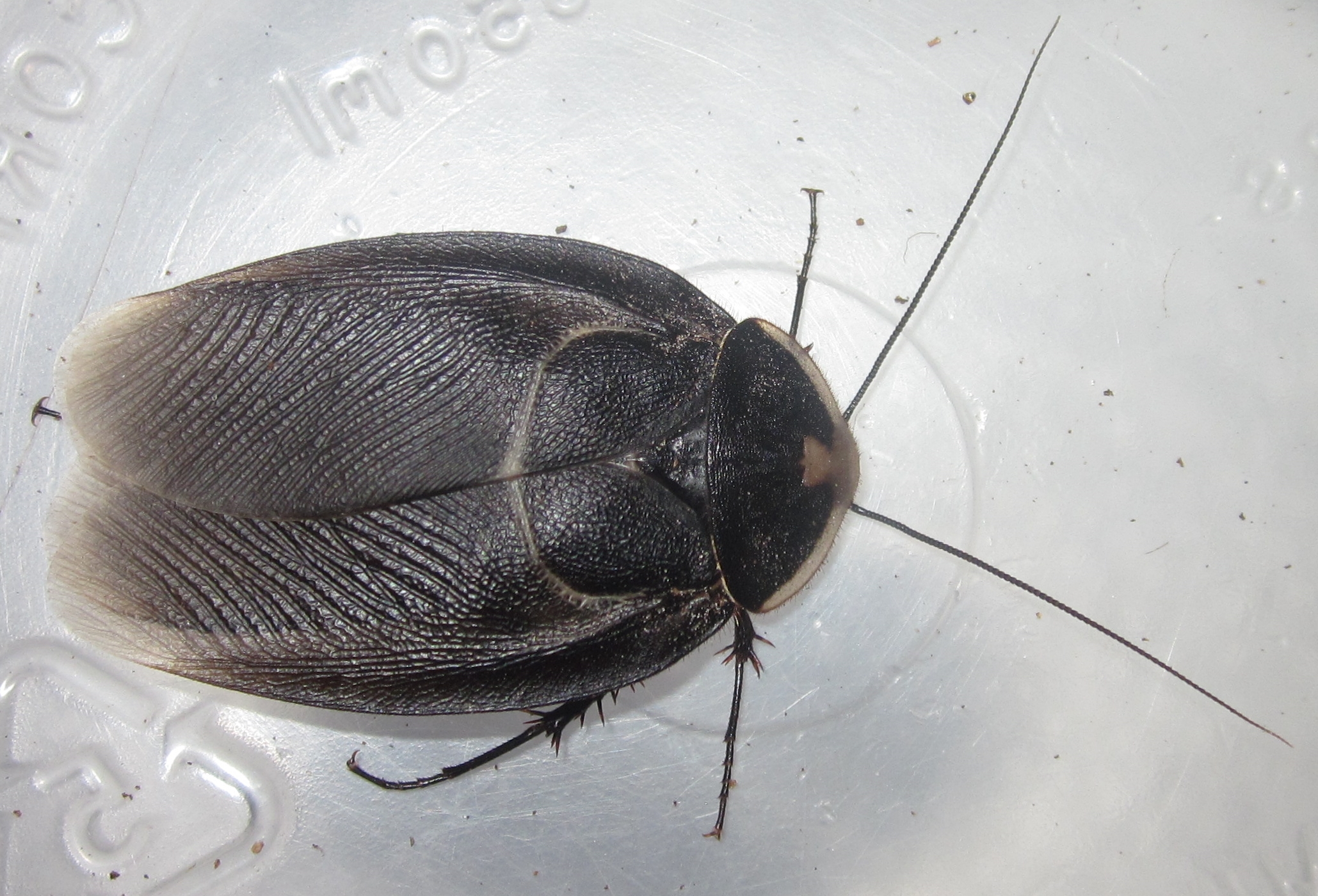
I finally reacquired a group of Pycnoscelus cf. rufa this year (ex. P.tenebrigera), and they've been doing well and have bred for me. I also managed to get some decent pair shots of these, which I'm happy about. 😄


It's insane how vibrantly colored the adult males of this species are, compared to other Pycnoscelus spp.. 😍 I have yet to keep P.striatus, but those are the only Pycnoscelus I could imagine holding a candle to these. 

Anyways, that's gonna do it for this post! Thanks for reading, hope everyone enjoyed, and I'll see you all next time!

Wednesday, November 23, 2022

Random Late Fall Updates

Well, lots has happened over the fall, and in addition to gaining lots of new species, I've also gotten rid of a bunch in preparation for my probable move across the country early next year. 😅

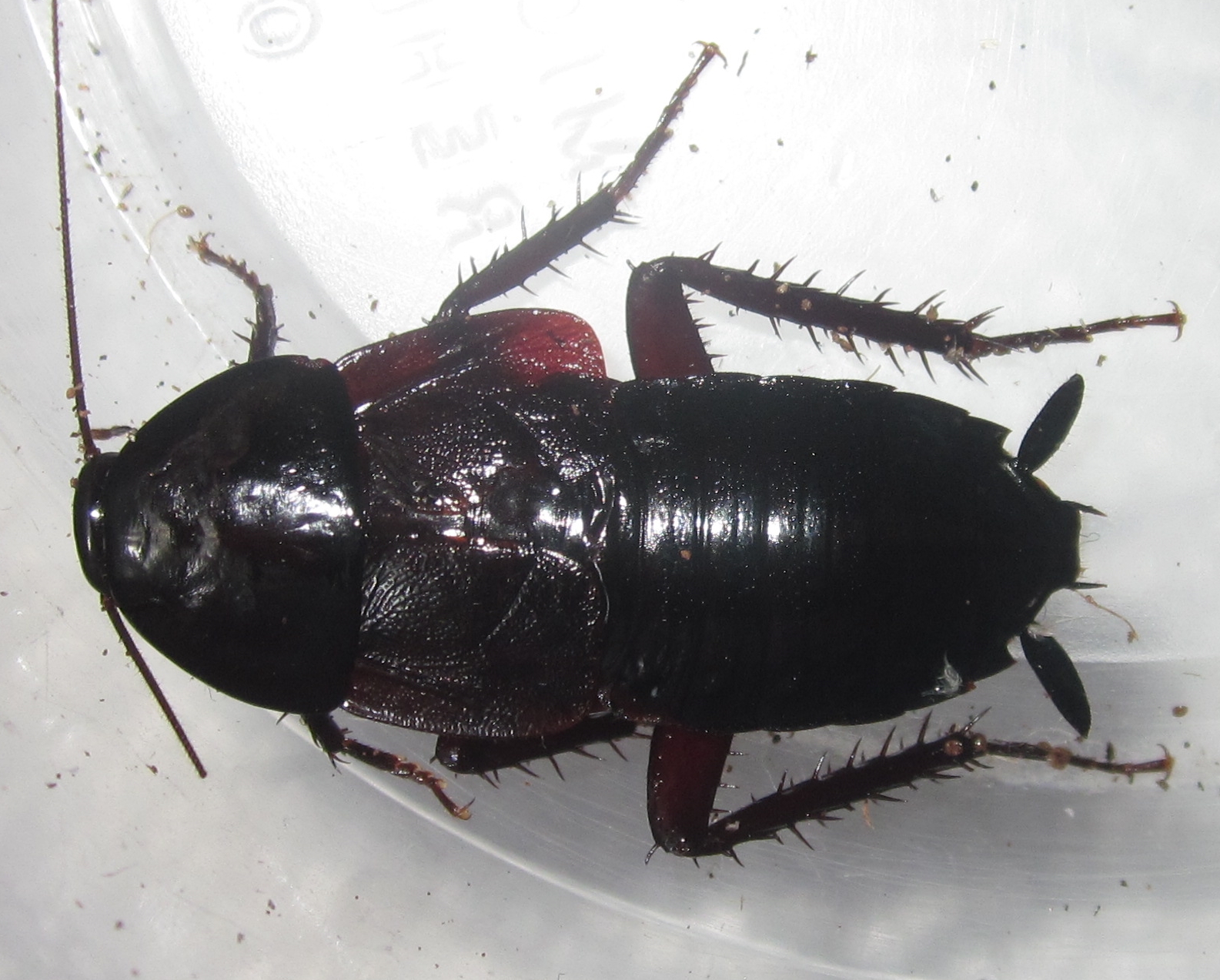
One species I got rid of was Pycnoscelus tenebrigera, however before doing so, I'm happy to say some of my male nymphs FINALLY matured, and I made sure to snap some good pictures of them before they left:


Very very pretty, an underrated species for sure IMO. Rich coming from me, considering I just got rid of mine, but let's just say that after my move, I definitely wouldn't need the small colony I had... 😉

Next up, my Princisia vanwaerebeki "Androhamana". Still no babies yet... But I got some photos of them on my phone recently that I just wanted to post here for funzies:


I REALLY hope my females pop soon, I'm getting impatient with them. 🤣

I'm happy to announce, I've got my first adult male Polyphaga plancyi! 😁 Now, the females are still quite a bit behind, but this doesn't matter that much, since Polyphaga males live about a year, so the frmales have plenty of time to catch up (not to mention I've still got several unhatched oothecae that Martinho sent me recently). The females are looking really pretty though, hopefully they'll be mature in a few months. 😊

Here are some pictures of the mature male, plus some pics of the female nymphs too:

Adult male


Female nymphs

Definitely one of THE prettiest Polyphaga males I've ever seen, I love their pronotum markings! 😍 Can't wait until my females are mature!

My Blattidae sp. "Thailand" are nearly all mature now, and man are they quite pretty as adults. 😁 Definitely a very unique Blattid, they're large, lanky, and have an almost Archiblatinae "hunchback" look when they're resting, weird. Their oothecae are also VERY long and pretty thin too, which is also unusual.

Here are some pictures of a young adult pair, (unfortunately the male has some minor wing defects/damage, the female is perfect though):

Adult female


Adult male

Fingers crossed they breed well for me, definitely one of the most unique Blattids in the hobby I've seen in a while, even if they're not the most colorful!

Lastly, my Eumesosoma cf. roeweri harvestmen have been quite busy, I dug around in their enclosure recently and found several large egg clusters buried in their substrate! 😁 These definitely seem to be quite prolific harvestmen, and my theory of keeping them cool during the Fall to induce breeding seems to have been correct. Now, hopefully their offspring are easy to rear, if so I can see these quickly becoming popular in the hobby. 😄

Here are some pics of a few of the eggs:


Looking forward to seeing what their little babies will look like! 🥰

Well, that does it for this post, thanks for reading, hope everyone enjoyed, stay safe, and I'll see you all next time! 😉