Wednesday, April 6, 2022

A Couple New Darklings!

Alan Spring 2022 Package Series Pt. 2/3
««« Previous post in series • Next post in series »»»

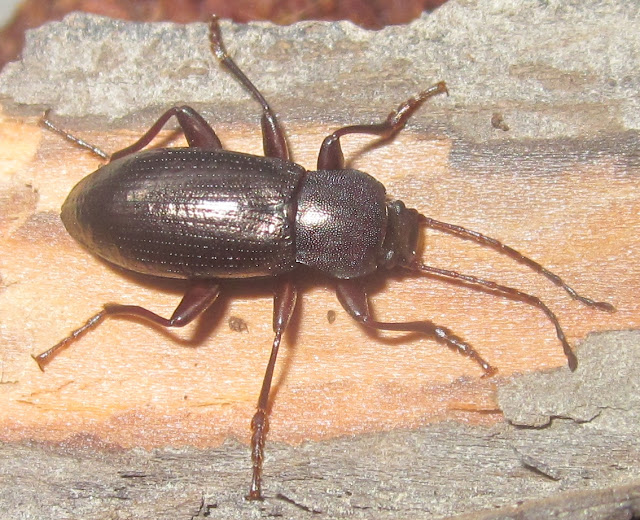
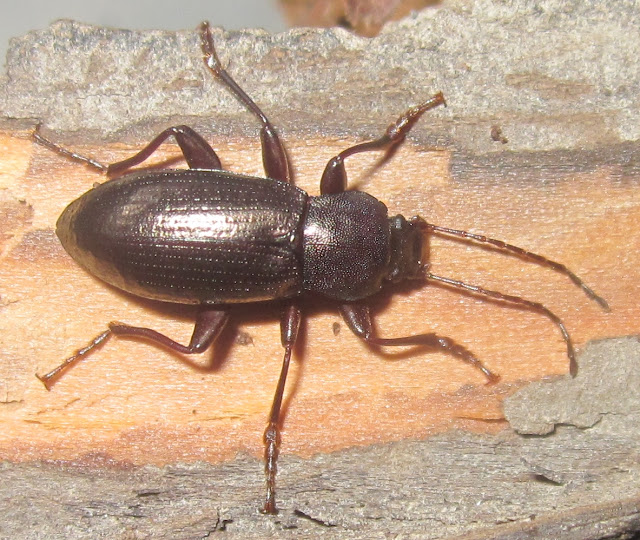
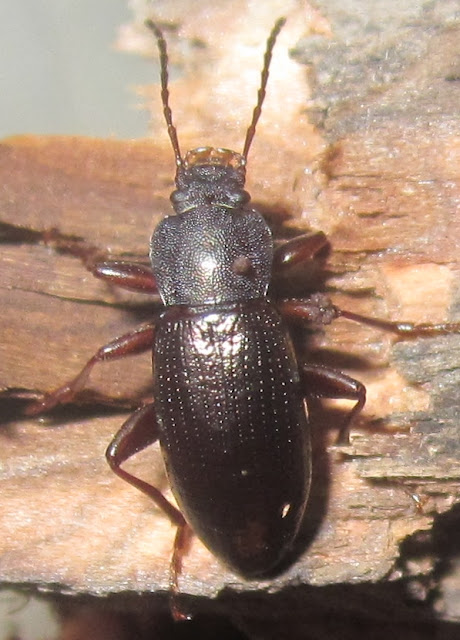
One of the more interesting new Tenebs I've gotten this year have to be these metallic copper-green Doyenellus cisteloides "Bartram Trail, AL" that Alan sent me. These are the first members of the Helopini I've ever kept, and a good practice species for me, since they're quite closely related to one of my most wanted US Tenebrionidae, Tarpela micans. 😁 Ideally these Doyenellus should have the same care as Tarpela, so hopefully I can crack the code to breeding them with ease!

I've got my several adult pairs housed in a well ventilated enclosure with an inch or so of coconut fiber as the substrate. They have vertically slanted bark hides, and I'm keeping them humid and at around 75F°. I'm offering dog food, apple slices and banana (they seem to greatly prefer the latter).
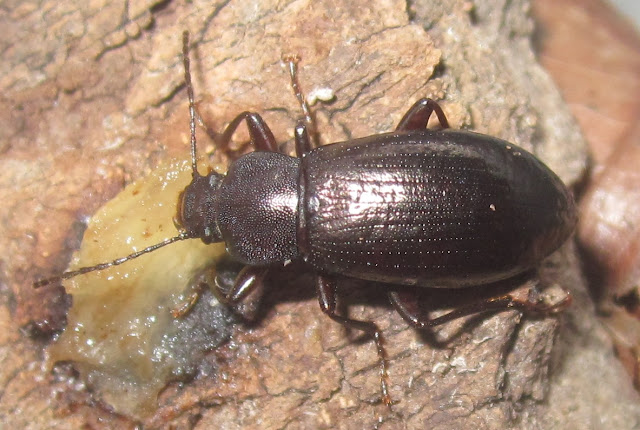
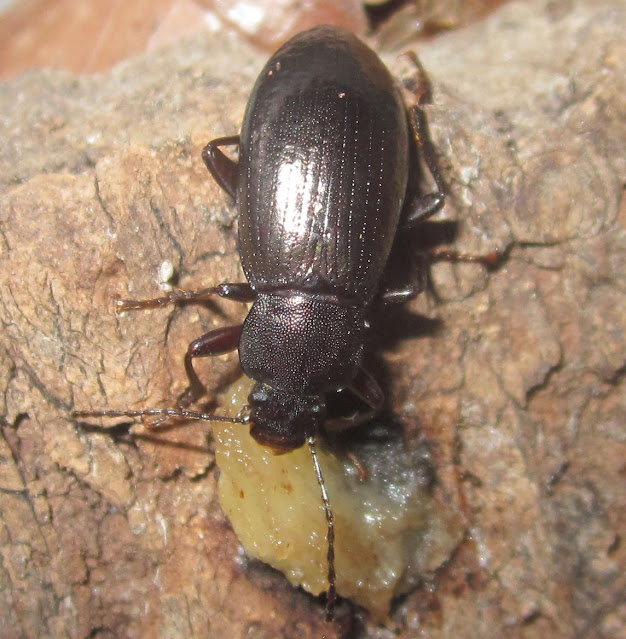
Here are some pictures of the adults:

Female


Male


Pretty sure I've seen one of the females ovipositing already, so with any luck I'll start seeing larvae soon! Hopefully they're easy enough to rear! 😁

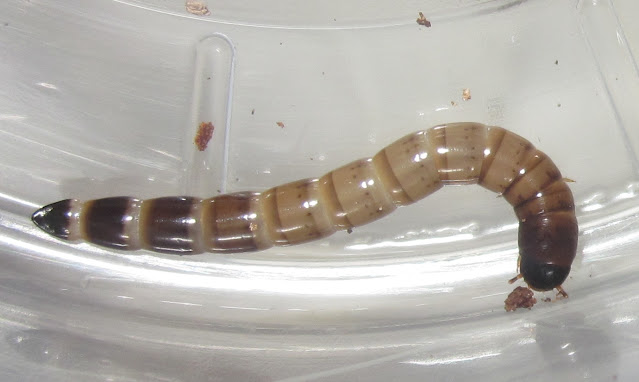
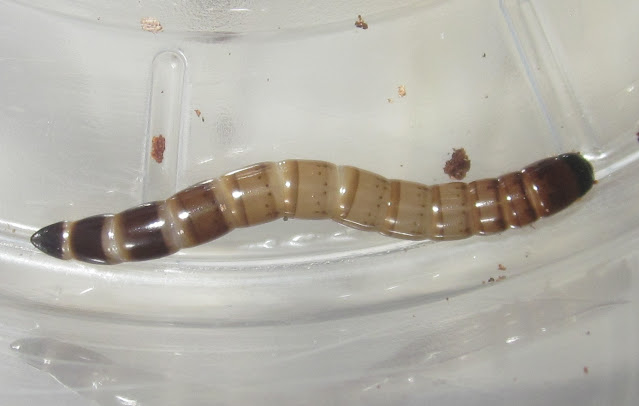
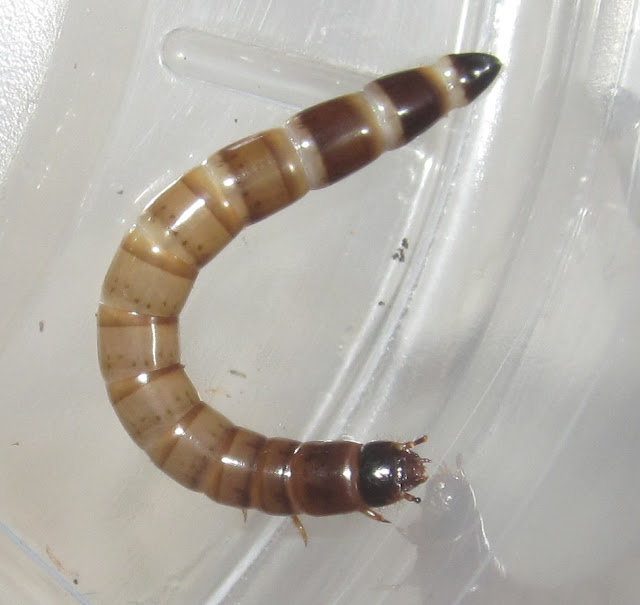
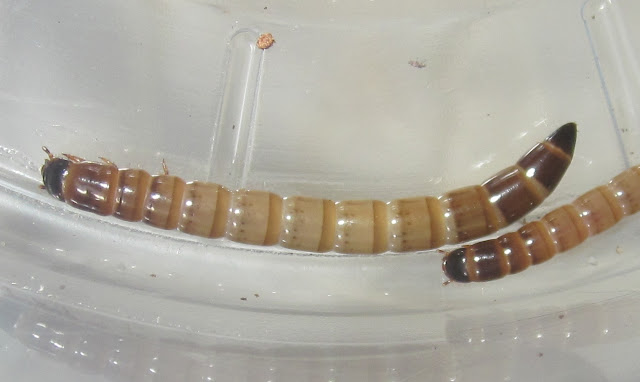
Alan also sent me some Zophobas atratus larvae, but these aren't your run of the mill hobby stock Zophobas, these are from a wild strain collected from the Sugarloaf Key, FL. The Zophobas established in far southern FL appear to be distinct from the hobby line of Z.atratus, and were probably introduced down there from a completely different locale than the hobby feeder stock comes from, perhaps in a shipment of plants/produce many many years ago, before we even used superworms commonly as feeders.

These FL Zophobas have much more noticable elytral striations, and perhaps slightly broader pronotum margins. The larvae of this strain also appear to be a bit paler than hobby stock superworms, the patterning might be a tad different too.
According to Tenebrionidae taxonomist Andrew Johnston, these are almost certainly Z.atratus, just a different locality and phenotype than the feeder hobby stock we're all used to seeing in culture. I think these are pretty interesting and it'll be nice to have another phenotype of Z.atratus in culture, hopefully these will catch on in the hobby among enthusiasts and not be immediately bastardized and mixed with the old hobby stock. 😅🙃

I've got my larvae in a well ventilated enclosure with an inch or so of coconut fiber, half of it kept humid, the other half dry. I'm feeding them dog food and carrots, and keeping them at around 75F°.

Here are a few pics of some larvae:


Looking forward to rearing up some adults and seeing how unique they look in person! 🙂

Well, that's gonna do it for this post, thanks for reading, hope you all enjoyed, stay safe, and I'll see everyone next time! 😉

Monday, April 4, 2022

Hell Ya, Helleria!!!

Finally, after years of waiting, I've gotten one of my dream isopods, the heavy, humongous, Helleria brevicornis! 😁 Thanks so much to Steph at Green Acres Invertebrates for trading me a dozen of these cuties, so excited to work with the largest terrestrial rolling isopods!

This genus is monotypic, containing only the species brevicornis. They belong to the interesting subfamily Tylidae, of which there are only a few other representatives in culture (and most are coastal species that require or prefer saline conditions). They spend most of their immature lives underground, with adults being slightly more surface active (but still probably spend most of their time underground).

Helleria are quite slow growing, and rumor has it the females only reproduce once in their lifespan. However, considering they usually breed when quite small, and then go on to live for at least a year or two afterwards (gaining a lot of size in the process), this seems to be an artifact of captivity, not a normal reproductive strategy. In fact, it would appear based on preliminary evidence I've gathered that all that's needed to encourage yearly reproduction for this species is a mild winter cool period; a drop to the lower 60s to high 50s in late Fall through Winter, followed by a temperature rise in the Spring to about 75F°. This is what Steph does, and she is convinced her original individuals have been breeding yearly for her (and she's up to around 200 individuals in her colony ATM!). It just doesn't make sense for a species to breed only once when relatively young, then go on to keep growing for quite a while... Normally invertebrates that breed only once die relatively soon after giving birth, they have no reason to keep on loving growing if they're not going to reproduce. So I've always found the claim that Helleria females only give birth once to be a bit fishy, to say the least. And it would make sense seasonal cues are the key, since almost no one in this hobby seems to take seasonal temperature fluctuations into account when breeding inverts, everyone wants to just keep everything at a constant temperature range year round and expect good results. 🙃😂

Anyways, enough with the breeding rant! 😅 I'm keeping my 12 individuals in a moderately ventilated, deep container with 5 or so inches of humid substrate. The bottom inch is a mix of sand, coco fiber, flake soil and crushed leaf litter. The top 4 or so inches is a mix of flake soil, crushed rotten wood, spent Panesthia a. cognata substrate and crushed leaf litter. This is topped off with even more crushed leaf litter. This species is big on having an organically rich substrate, and this makes up the bulk of their diet.
I'm keeping them at around 75F° right now, and am offering dog food and fruits as supplemental foods (neither of which they've touched so far).

Without further adieu, here are some pictures of the cuties:


Such an adorable species! 🥰 I can't wait until they gain some more size, these ones are less than half grown! (but honestly probably not all that far away from sexual maturity). Hopefully they'll do well for me and breed in my care!

Anyways, that's gonna do it for this post, thanks for reading, hope everyone enjoyed, stay safe, and I'll see you all next time! 😉

Saturday, April 2, 2022

Special Symploce & Chad Parcoblatta

Alan Spring 2022 Package Series Pt. 1/3
Next Post in series »»»

Last month Alan Jeon sent me a bunch of goodies, which I'll spend the next few posts showing off! 😁

First off, we have an Ectobiid from Florida that's been in and out of the US hobby for years, that I've somehow never kept, Symploce morsei. This is one of the relatively few New World native Symploce species, though it's unclear if they're native or adventives to FL.
The younger nymphs of this species look exactly like Blattella nymphs, but as they get older they develop a very pretty mahogany hue with white spots on their abdominal margins. Adults look like your typical brown Ectobiids, but are at least fairly large for a Symploce species.

I'm keeping my 15-20 small nymphs in a well ventilated deli cup with a thin layer of coconut fiber as the substrate. For hides I'm using bark and leaf litter, I'm keeping them quite humid and relatively warm (75-80F°). I'm offering dog food and fruits as the staple diet.

Here are some pics of a small nymph:


They look so much like Blattella at this stage, it's crazy! 😄 This species is quite pretty, especially as large nymphs, it's a shame they haven't been more popular in the hobby. This may be due in part to their unforgiving nature, lapses in care, excessive dryness, and potentially overcrowding can all lead to severe culture crashes. I'm up to the challenge though, and hope to help establish this species in culture the best I can! ☺️

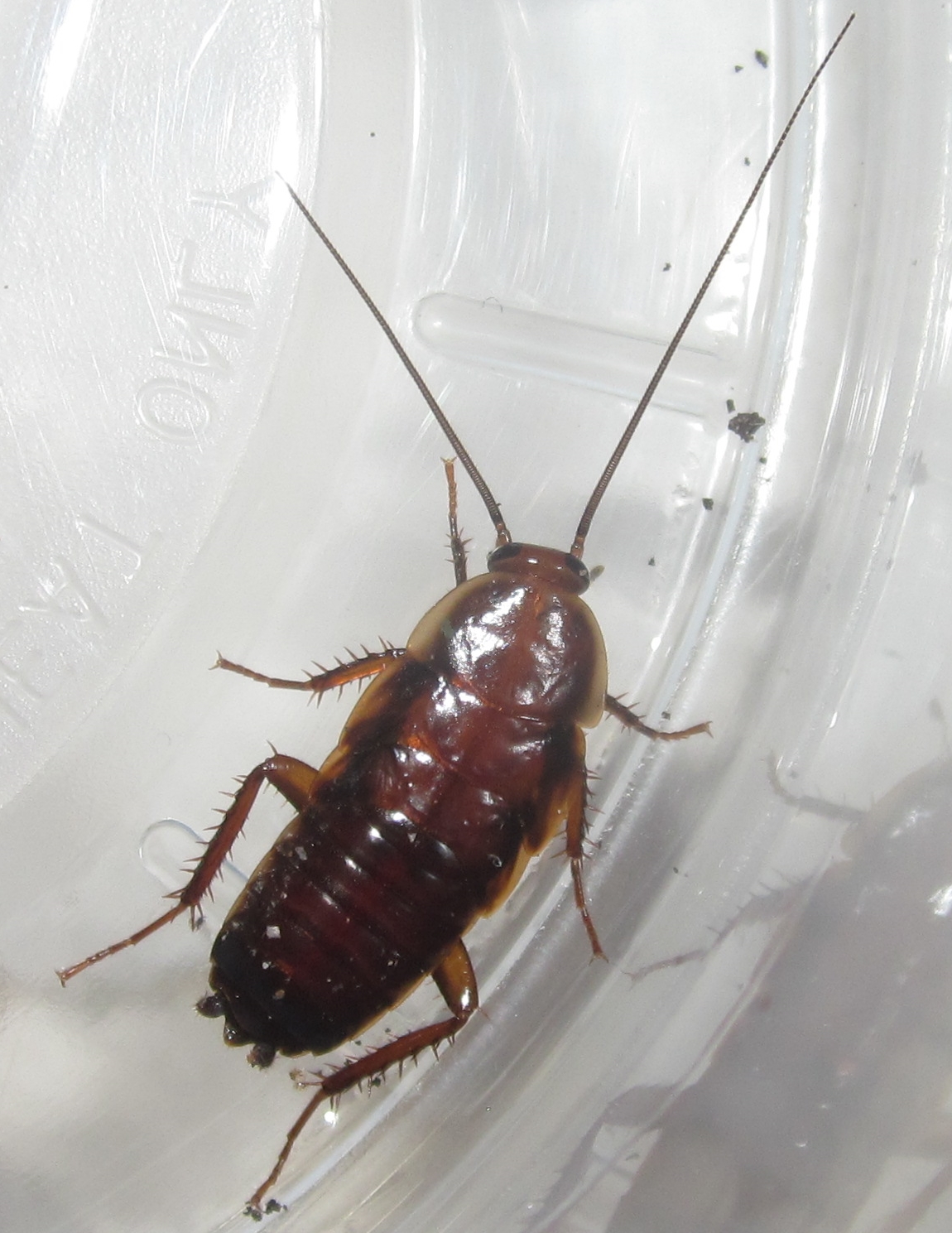
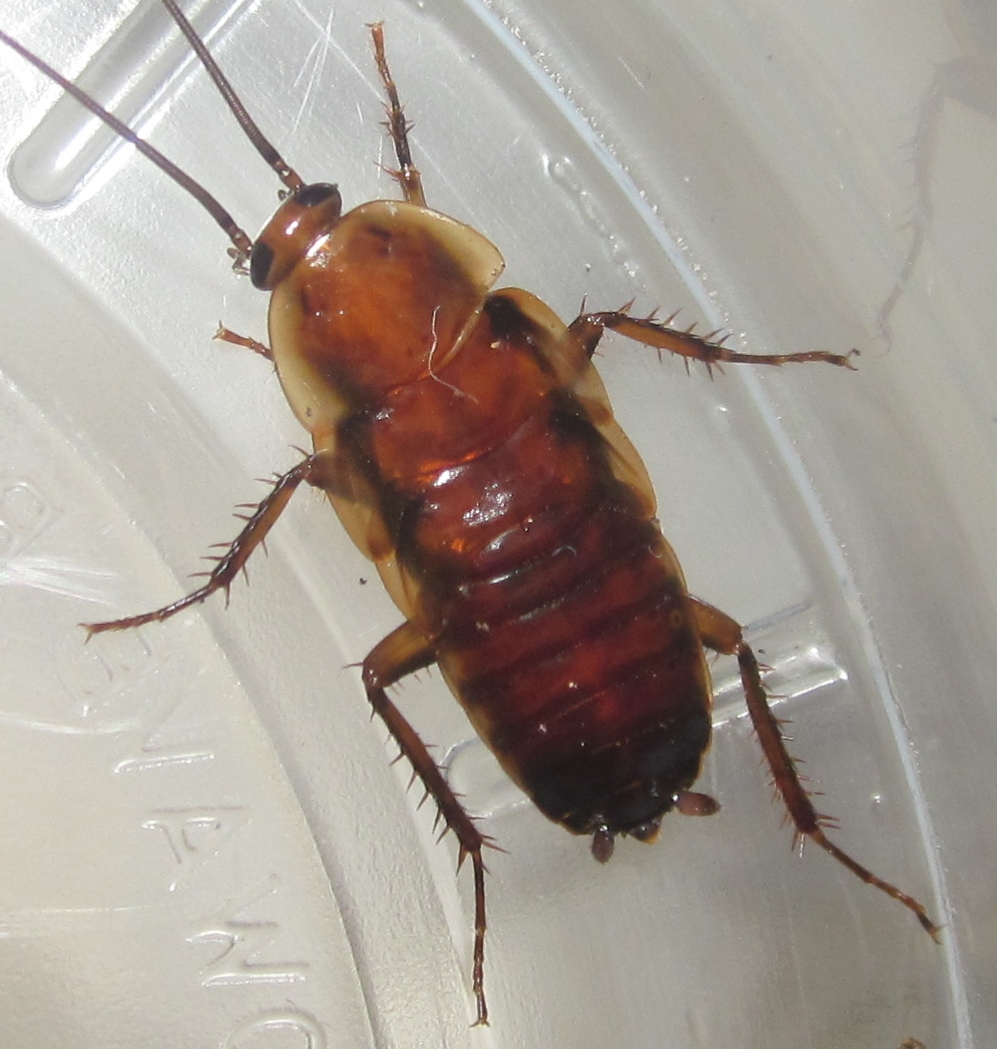
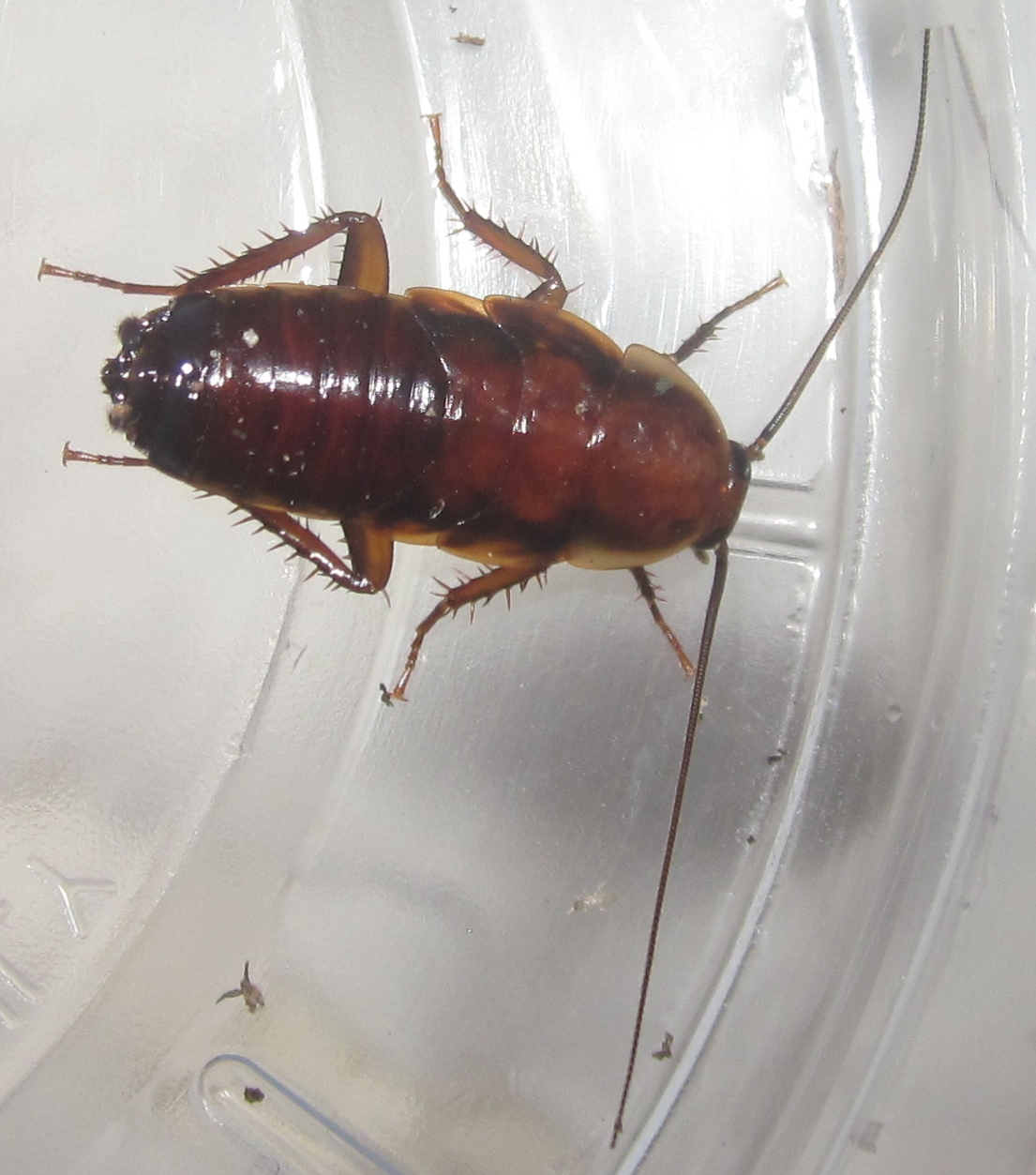
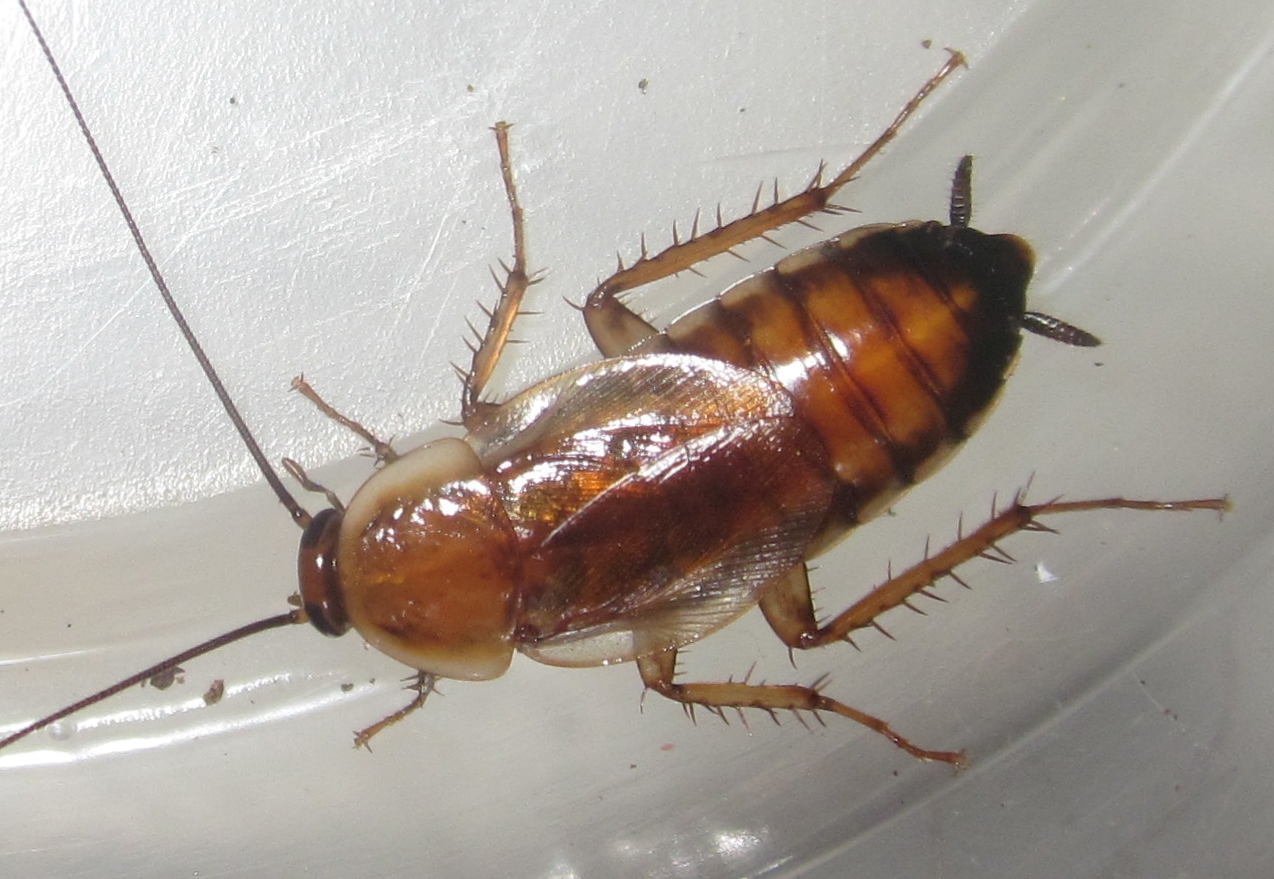
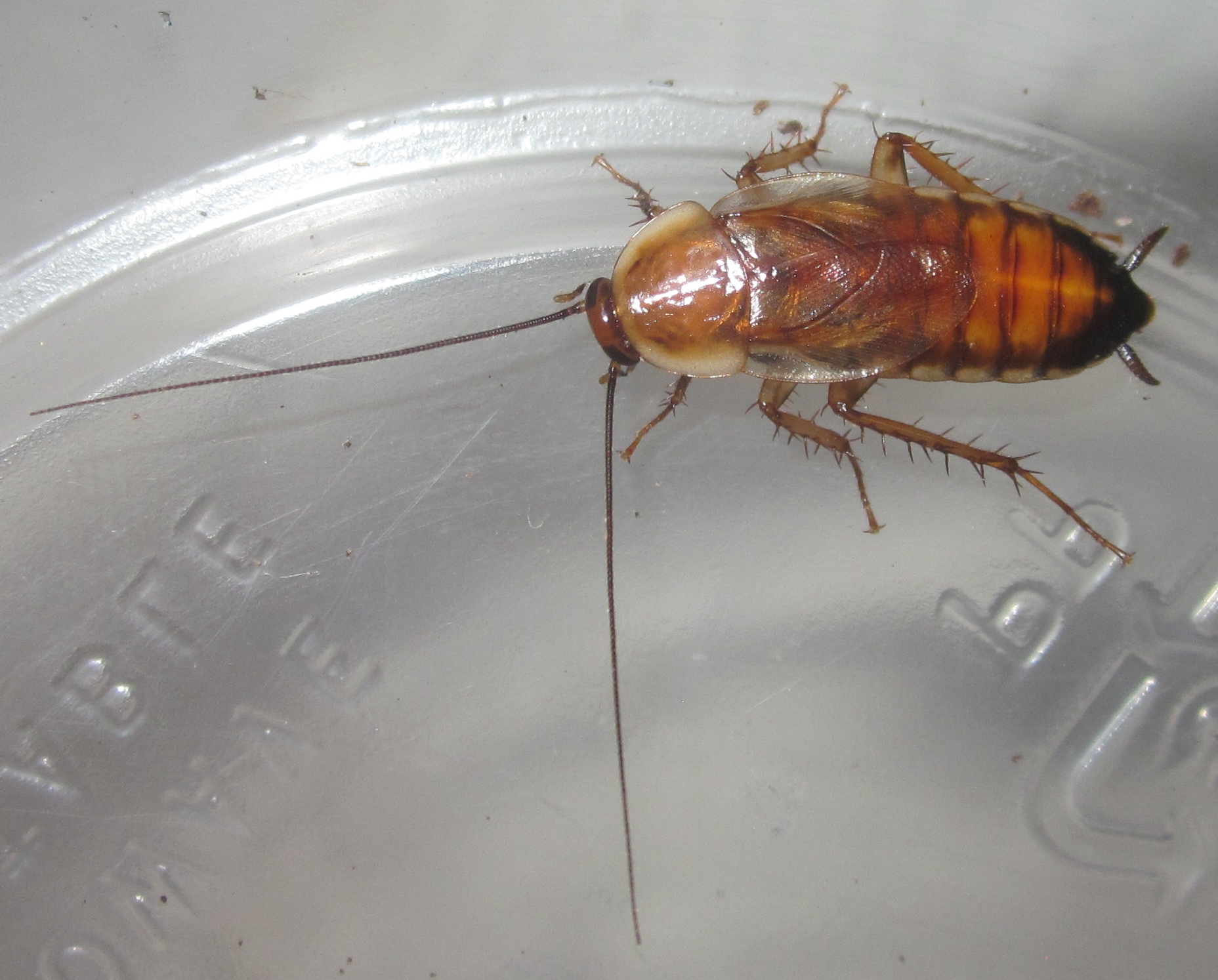
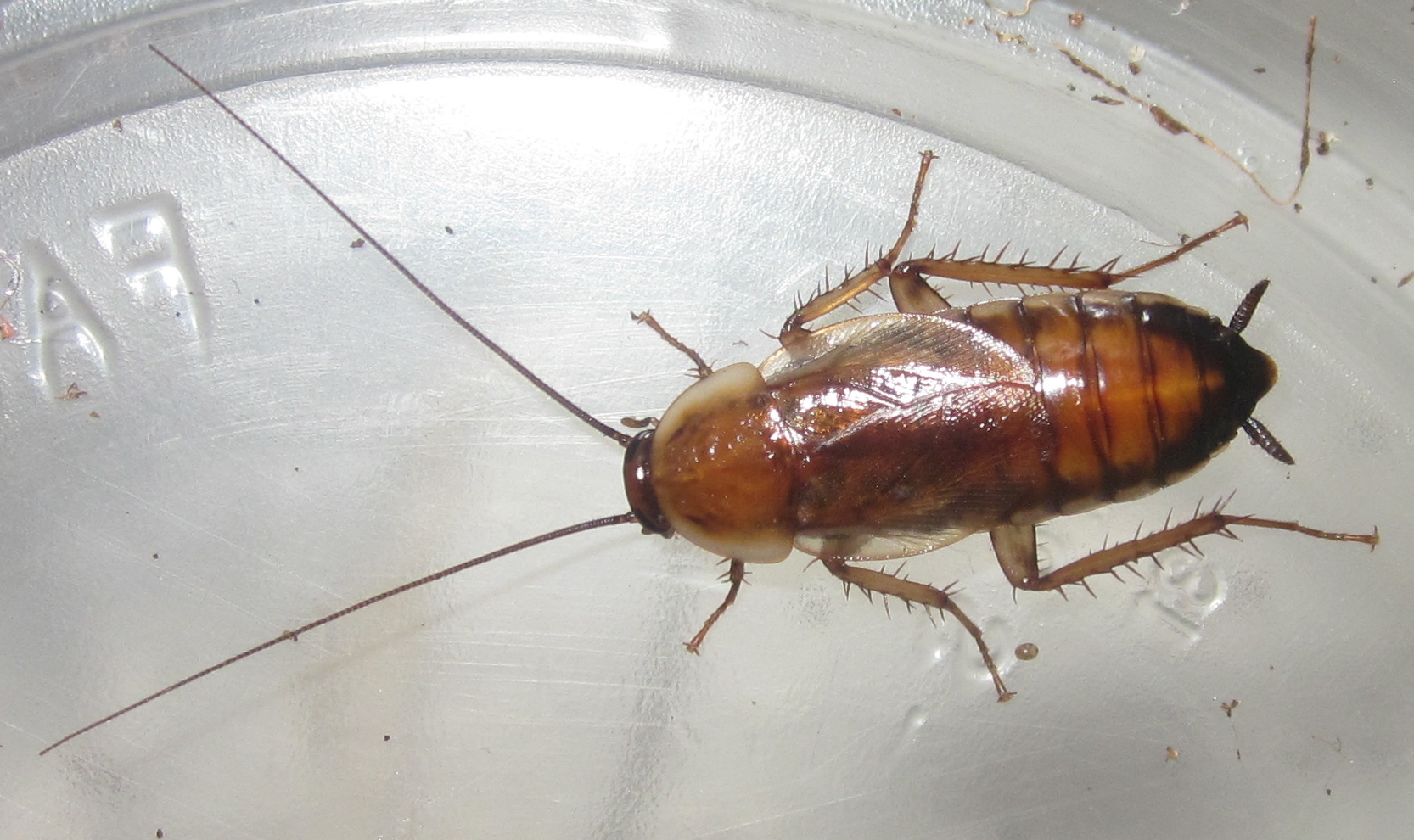
He also sent me a starter culture of one of the "Chaddest" of roaches, Parcoblatta divisa from Montgomery, AL. 😄 Interestingly, the adults of this strain are much lighter than the ones I used to breed from NC, (the adult females at least), nymphs seem to have a slightly different color pattern too. Just goes to show how variable Parcoblatta can be in terms of coloration across their ranges.
Very happy to gain another species from this awesome genus, my friend Kai thinks Parcoblatta are boring, but a true roach connoisseur knows Parcoblatta are among the coolest US native roaches. 😜

I've got my dozen or so nymphs in a moderately ventilated container with a thin layer of coconut fiber as the substrate, with bark, cardboard and leaf litter for hides. I'm keeping them humid and relatively warm (about 75F°). I'm offering dog food, fruits and veggies for food.

Here are some pictures of a couple subadult nymphs, and an adult female:

Subadult nymphs


Adult female


Pretty right? So far there's only one adult, hopefully the rest mature soon! Would love to breed these, especially since this strain of divisa won't require a diapause, unlike the NC strain I kept previously.

Well, that's gonna be it for today, thanks for reading, hope you all enjoyed, stay safe, and I'll see everyone next time! 😉