Showing posts with label Arenivaga tonkawa. Show all posts

Wednesday, August 10, 2022

Corydiid Babies, Rhabdoblatta Adult & More!!!

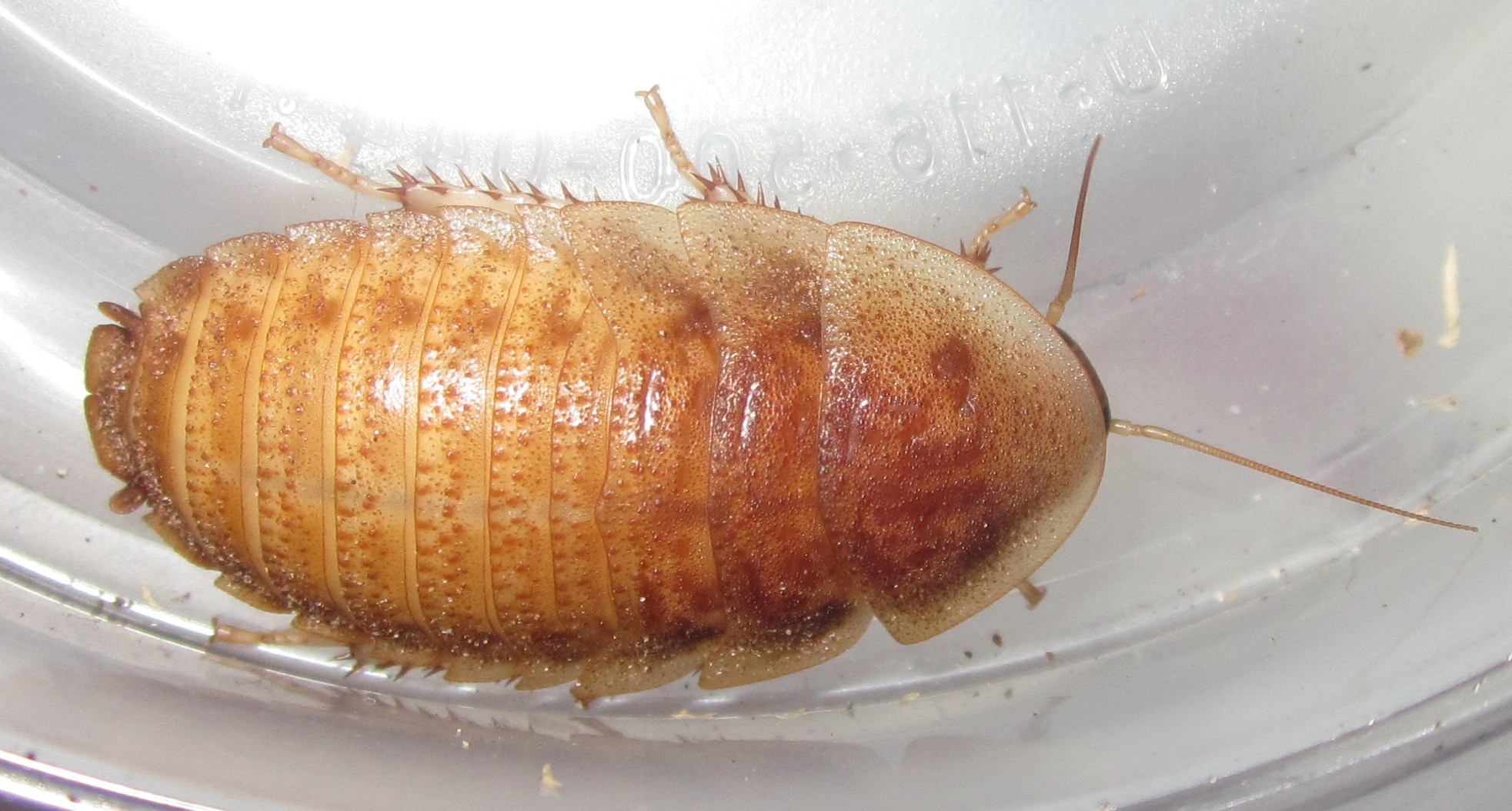
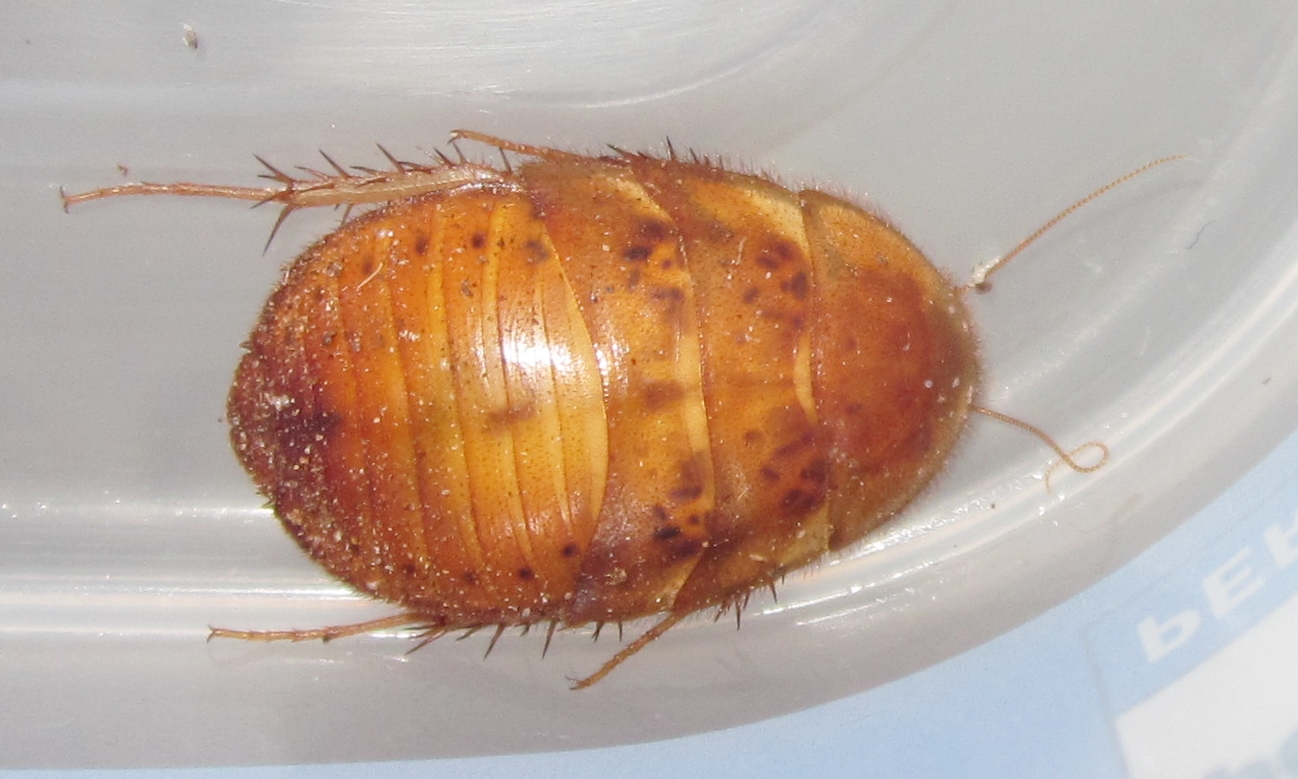
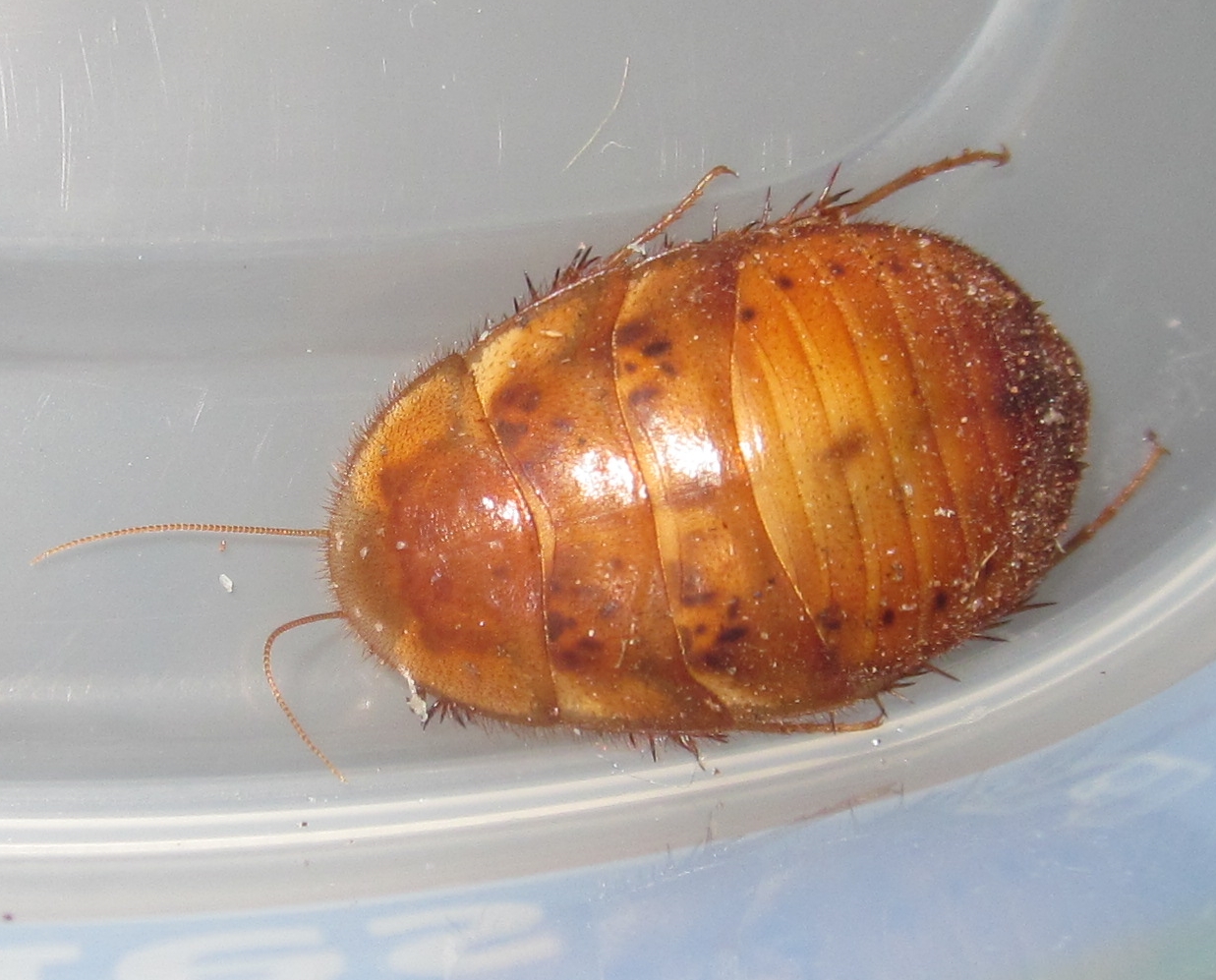
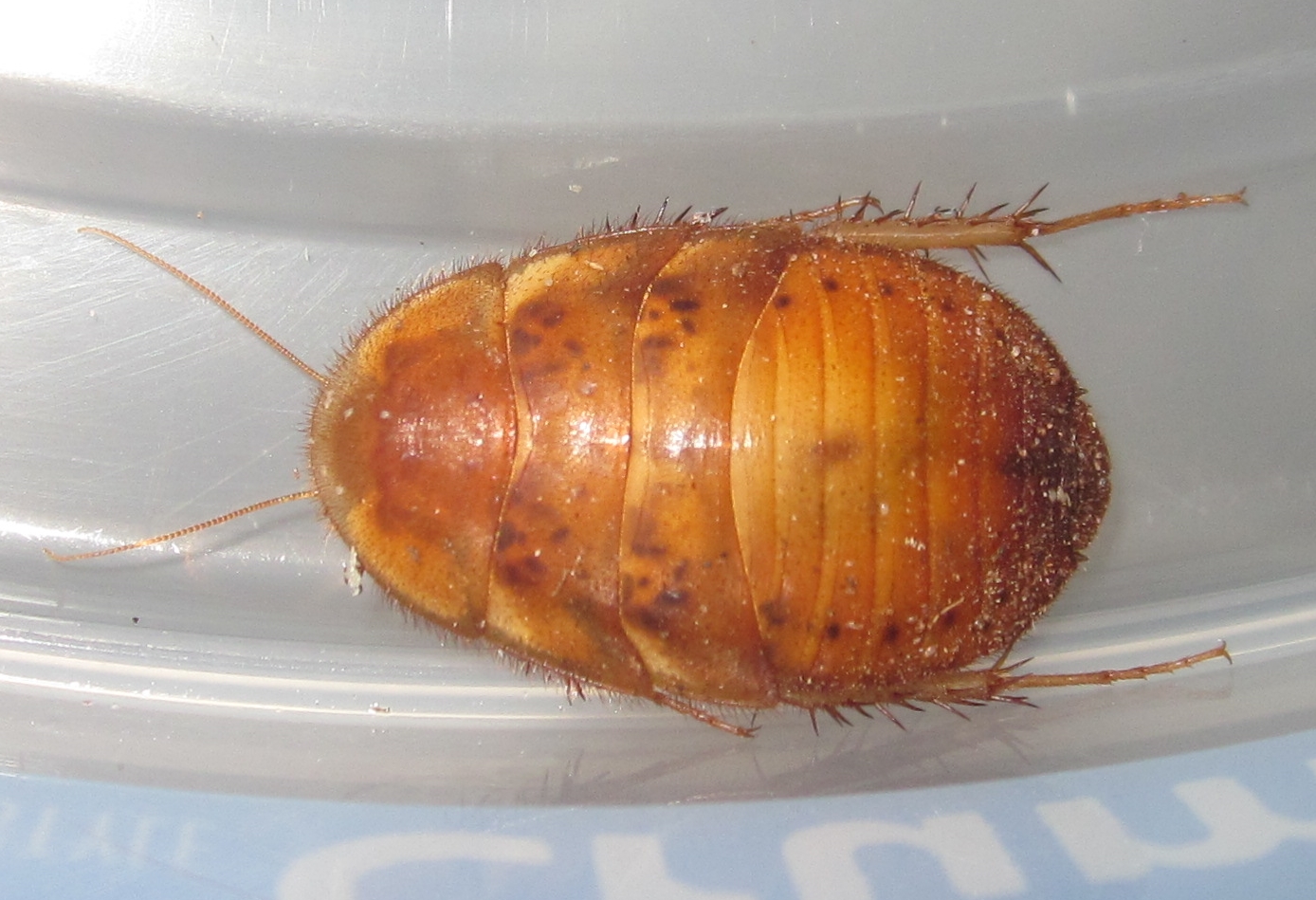
Finally, I've done it! I have successfully bred Arenivaga tonkawa! 😁 This is my 3rd or 4th try with this species, and I finally did it! It's ironic, considering I've bred Arenivaga species much harder than these in the past, apparently all that's needed for tonkawa to do well is excellent ventilation, but also more humidity than most of the other Arenivaga I've worked with. But yeah, my adult females are still pumping out ooths like there's no tomorrow, and there are tons of hatchlings now! 

Here are some pics of a couple hatchlings:


So dang cute! 😊 Hopefully these continue to do well for me, and my track record with Arenivaga (besides floridensis) can continue to be excellent!

I dug around in my Eucorydia linglong bin the other day, and found 8 nymphs, from two different broods in the setup! Which means my female produced at least two viable ooths in the short time I kept her warm, and I likely actually have closer to a dozen or more nymphs ATM (I didn't sift through all the substrate, and nymphs play dead when disturbed, so finding ANY of them is a huge pain). So, definitely still breedable numbers, I didn't screw up THAT badly apparently... 😅

Here are a couple "meh" quality pics of a few nymphs:


Wasn't really in the mood for taking pics properly when I was doing maintenance on them... 😂 But you know what they say, "pics or it didn't happen". Hopefully these nymphs grow well for me, will probably get more just to ensure the colony is stable and I can establish them here in the US hobby, but yeah, so far so OK!

Well, my first Rhabdoblatta parvula female has matured! Unfortunately she is rather deformed, IDK what happened but her wings didn't come out right, she's missing a hind leg, and her entire exoskeleton is covered in little bumps and wrinkles, almost makes her look like she's covered in water droplets/dirt. But other than that she seems lively and healthy, so should still mate with my male and make some babies. Plus I've got other female subadults too, so I'm not too concerned!

Here are some pictures of the less than perfect female:


Hopefully she mates and gets gravid soon, she should still be able to produce a nice brood or two of babies no problem 🤞. Once another one of the females matures that's not deformed, I'll be sure to get some pictures and share them with y'all! For now, consider this a sneak peek, and a positive breeding update. 😄

Lastly, just wanted to announce that I've gotten a second Asbolus m. mexicanus to pupate! And have several other larvae in the pre-pupal stage, so hopefully there's more where that came from! The clay method definitely seems to be the best, makes their pupal cells so much more stable.

Well, that does it for this post, thanks for reading, hope everyone enjoyed, stay safe, and I'll see y'all next time! 😉

Sunday, May 29, 2022

Golden Showers & Honky Tonky-wa Roaches

Roachcrossing April Package Series Pt. 4/5
««« Previous post in series • Next post in series »»»

For the first time ever, I've got Dubia roaches! 😃 But these aren't your run of the mill Dubia, rather these are Kyle's new Blaptica dubia "Golden Shower" strain! 🤣 Seriously though, he's not named them officially yet, the "Golden Shower" moniker is one JungKai Wang made for them in jest, and now several of us tease Kyle by calling them that... It'll be hilarious if that's the name that sticks though. 😂

Anyways, Kyle sent me a group of nymphs, including a subadult pair. Sadly though, the subadults both died seemingly in premolt, not exactly sure why considering all the smaller nymphs have molted several times in my care now with no issues... Perhaps the subadults we're just stressed from shipping?

I've got my surviving nymphs housed in a well ventilated gallon container with an inch or so of coconut fiber as the substrate. I'm keeping a quarter of the enclosure humid, the rest bone dry, at around 75-80F°. I'm feeding them dog food and fruits.

Here are some pics of the nymphs:


Quit an attractive dubia morph! Hopefully I'll see adults soon, fingers crossed, definitely want to help keep these going in culture! 😁

As for the last roach Kyle sent me, I'm finally trying again with the old hobby stock of Arenivaga tonkawa (from San Antonio, TX). I think this is my third attempt with this species, and this time Kyle sent me a good group of nymphs (lots of which were subadults that have since matured) and a sexed pair of adults.

I'm keeping them in a small, well ventilated enclosure with an inch or so of used Gyna substrate (old degraded coconut fiber) as their substrate, with leaf litter on top. I'm keeping half the enclosure humid, half dry, and have them at around 75-80F°. I've already gotten ooths from them, so this time things seem to be going well. If I get offspring from them then I'll have finally passed my main hurdle with this species, so I'm keeping my fingers crossed! 🤞😅

Here are a few pics of them:

Adult female


Adult male


Hopefully I can get these breeding well for me, failing with this species twice has been a personal source of shame for me, since I typically do well with western Arenivaga spp., so hopefully I can overcome this obstacle and reclaim some of my pride with keeping this species. 😂

Anyways, that's gonna do it for this post, thanks for reading, hope everyone enjoyed, stay safe, stay buggy, and I'll see you all next time! 😉

Friday, March 2, 2018

Arenivaga, Coniontis & Panchlora Updates!

Wow, back to back posting guys, can you believe it? 😜 Luckily, this one is a lot more lighthearted than yesterday's post!

My Arenivaga tonkawa females have finally started laying oothecae, evidently due to the increased ventilation levels! 😁 Hopefully I'll have little tonakwa babies soon!

Here are a couple of pictures of the largest ootheca I could find:


Will let you guys know when the ooths start hatching!

My youngest Panchlora sp. "White" female is very gravid, and I can even see her eggs through her abdomen! (the exoskeletons of Panchlora adults are pretty transparent). Unfortunately this has proven to be rather hard to catch on camera, but I decided to try anyway.


You can just barely make out the curved shape of the ootheca and the eggs in her abdomen if you look hard enough. In any case, I'm really hoping she will give birth soon to a healthy litter of nymphs, rather than abort her ooth for no reason, we'll see!

Finally, after much waiting, one of my Coniontis sp. "CA" larvae has pupated! 😃 The pupa of this species looks much like the other pupae I've seen from this genus, however the exoskeleton looks a lot waxier than other Coniontis pupae I've seen, and reminds me a lot of a Dynastid or Cetoniid pupa!

Here are some pictures of it:


Now this is a pupa I'd love a plushie of, Alex! 😛

Lastly, here are a couple pictures of three Armadillidium maculatum "Dalmatian" having some "fun"! 😆


I'll leave it on that note, hope everyone enjoyed this post, will see you all next time! 😉

Friday, January 19, 2018

Sad Porcellio bolivari News, & Arenivaga Updates

Well, unfortunately my last female Porcellio bolivari died, and it's probably because of another stupid mistake of mine. 😢

A few days after removing all the males from the main enclosure, when I was sure she was OK, I put my smallest male back in with her. About a week later, I noticed she was actually gravid, so I quickly took the male out of her enclosure. Everything was looking fine, but for reasons too complicated to get into here, (let's just say it had something to do with my mite eradication process), I ended up placing her enclosure under two others, previously I had it on top of a stack of cages.

A couple days later I found her up against the enclosure wall, sluggish, half of her legs had stopped working, and her eggs never developed enough for her to give birth to any offspring. A few hours later, she was dead. I think placing her cage under two others covered the ventilation on the lid, so even though she had cross ventilation, she must have suffocated. At least, that's the only reason she would die that I can think of, it's the only thing that changed in the past few days leading up to her death, and she seemed perfectly healthy until that point.

So, I've managed to kill ALL of my P.bolivari females due to stupid mistakes, I'm pretty furious at myself. 😡 At least my males are still alive, I'm going to try and acquire a few more females this Spring, and will try again to breed this beautiful species. This time I won't be making the same mistakes I did before, that's for sure!

My Arenivaga tonkawa culture seems to have hit a little snag, my adult males are all dead, but my females still haven't laid any ooths at all. Additionally, I found a subadult male dead, and full of fungus. I think this is from a lack of adequate ventilation, as Arenivaga seem to be highly susceptible to fungal infections when ventilation is low. So, I moved my females to a new enclosure with lots more ventilation, and hopefully that will fix things.

I also added a little more substrate and ventilation to my Arenivaga floridensis "White" enclosure, as my female doesn't seem to have produced any oothecae yet. None of them have succumbed to fungal infections, but I feel like adding more ventilation may help matters, we'll see. I'm also going to try keeping them more moist, since they seem to hang out in the moist half of the enclosure the most.

Lastly, while I was at it, I added some more ventilation to my Arenivaga sp. "Algodones Dunes" enclosure, as they really didn't have a lot of ventilation. While doing so, I snapped a couple pictures of one of the females, here they are:


Well, that's it for this post, thanks for reading everyone, will see you all next time! 😉

Saturday, September 16, 2017

More Roach & Pyrophorus Updates (A Rather Long Post)

First of all, both my Deropeltis sp. "Jinka", and Eurycotis improcera have started to lay oothecae! 😁 The Deropeltis ooths are really large, and very well hidden in the grooves of their bark hides, the Eurycotis ooths are smaller, and they didn't do as good of a job at making the oothecae hard to find. I am so glad that these two species have started laying oothecae for me, hopefully they all hatch out with no problems!

My Anallacta methanoides nymphs are doing very well, and growing nicely! 🙂 The nymphs are really starting to darken up now, and they are looking very beautiful!

Here are some pictures of them:


I really can't wait until they start maturing! 😊

Well guys, I did it. I freaking did it! I FINALLY got not one, but several Arenivaga tonkawa males to mature without dying first! 😆 Most of the nymphs Kyle sent me ended up being males actually, which is a little unlucky, but thankfully there is at least one female in the bunch, and she just matured as well, so it looks like I'll be getting offspring from them soon!

I think the key to my success this time around is that I put them in a much smaller container than I previously tried keeping my two pairs in, it is well known that many species in this genus do best when kept in relatively small containers. Many Arenivaga species normally utilize small spaces like rodent burrows as their homes in the wild, so it makes sense that they would prefer more confined areas in captivity as well. I also gave them a larger moist area this time around, about half of the enclosure really, which seems to be working nicely for my other Arenivaga species as well.

Here are a few pictures of one of the males:


Let's hope my female starts laying fertile oothecae soon!

It seems like only half of the Dorylaea orini oothecae I received from Sebastien hatched, the rest look like duds. That's OK with me though, since I still have a couple dozen nymphs, which should be more than enough to get a colony established! 😄 Some of the nymphs are starting to develop the characteristic stripes that the older nymphs of this species sport, check it out!


The nymphs of this species are so pretty, can't wait until they get bigger!

My Gyna caffrorum are doing OK, got lots of nymphs running around, and a LOT of adult males... like there is a VERY unbalanced number of males in there compared to females, which is apparently normal for this species.

Anyway, enjoy these pictures of several males swarming a piece of banana:


Banana seems to be the preferred fruit of Gyna in my experience, nothing else elicits such a great feeding response.

Lastly, but certainly not least, one of the two remaining Pyrophorus noctilucus larvae I bought from Gil Wizen just molted and HOLY COW, it's huge! It has definitely surpassed the size my original three larvae were when they pupated prematurely, which is great, it certainly seems like I've got the larval husbandry down now! This larva isn't even mature yet, it still has several molts left to go until it is ready to pupate properly. According to Gil, the larvae of this species can get as thick as a thumb! 😮 Now that is something I have to see for myself!

Anyway, here are a couple pictures I took of it today, I only wish I had taken some better ones that more accurately portray it's size:


It could probably take down a full grown superworm with little difficulty, I'm going to try feeding it some mature Eleodes hispilabris larvae, (which are a little smaller than superworms are), and see if it'll accept prey that large. Would definitely be more efficient than tossing in three or four yellow mealworms in with it.

Anyway, that is going to do it for this post, I hope everyone enjoyed it, will see you all next time! 😉