Making posts about stuff I got from Ty Randall (of
Ty Dye Exotics) has become a staple of my blog at this point! 😂 Thanks to his generosity I'm getting a second chance with several species, as well as getting to work with some new stuff!
Now let's just cover the five species he sent that I'm getting second chances with:
- Gyna lurida "Yellow". Last time I kept this morph of G.lurida they just didn't do fantastic for me, and I left the hobby before I could actually breed them. Additionally, according to Ty, he's pretty sure he got his current stock from Roachcrossing, so this should be Kyle's refined stock, that supposedly doesn't throw out the half brown individuals other "Yellow" cultures will.
- Hormetica strumosa. Completely failed to get any offspring from my last adults, and I'm not 100% sure why, though it could be due to a lack of proper substrate depth. This time not only am I starting with 10 small nymphs, I'll keep them on a much deeper substrate, which will hopefully result in success.
- Cubaris sp. "Blonde Ducky". Sadly all my females from the last group Ty sent me died, apparently from a lack of ventilation. Plenty of males survived though, and thankfully with this new group Ty sent me, I shouldn't have any issues breeding them from here on out. 😅
- Armadillidium corcyraeum. Sadly, similar story to the above Cubaris, the couple females in my small starter group died for seemingly no reason, and so I thought I had no chance of breeding them, hence why I asked Ty for a group. Ironically though, as I added the individuals Ty just sent me to my culture, I found a gravid female in the setup that I'd apparently missed... 😅 But oh well, more individuals definitely can't hurt, right? 😂
- Tenebrio obscurus. These I just wanted to breed again, I liked them last time I bred them, more so than T.molitor, and I could use more feeders, so I figured I'd ask for some. There were also some Alphitobius diaperinus stowaways in the oatmeal the Tenebrio were shipped in, so I guess I'll be breeding those again too. 😂
Since these are all species I've posted about extensively in the past, I'll refrain from sharing pictures of them in this post, and instead focus on the new species I got in this package.
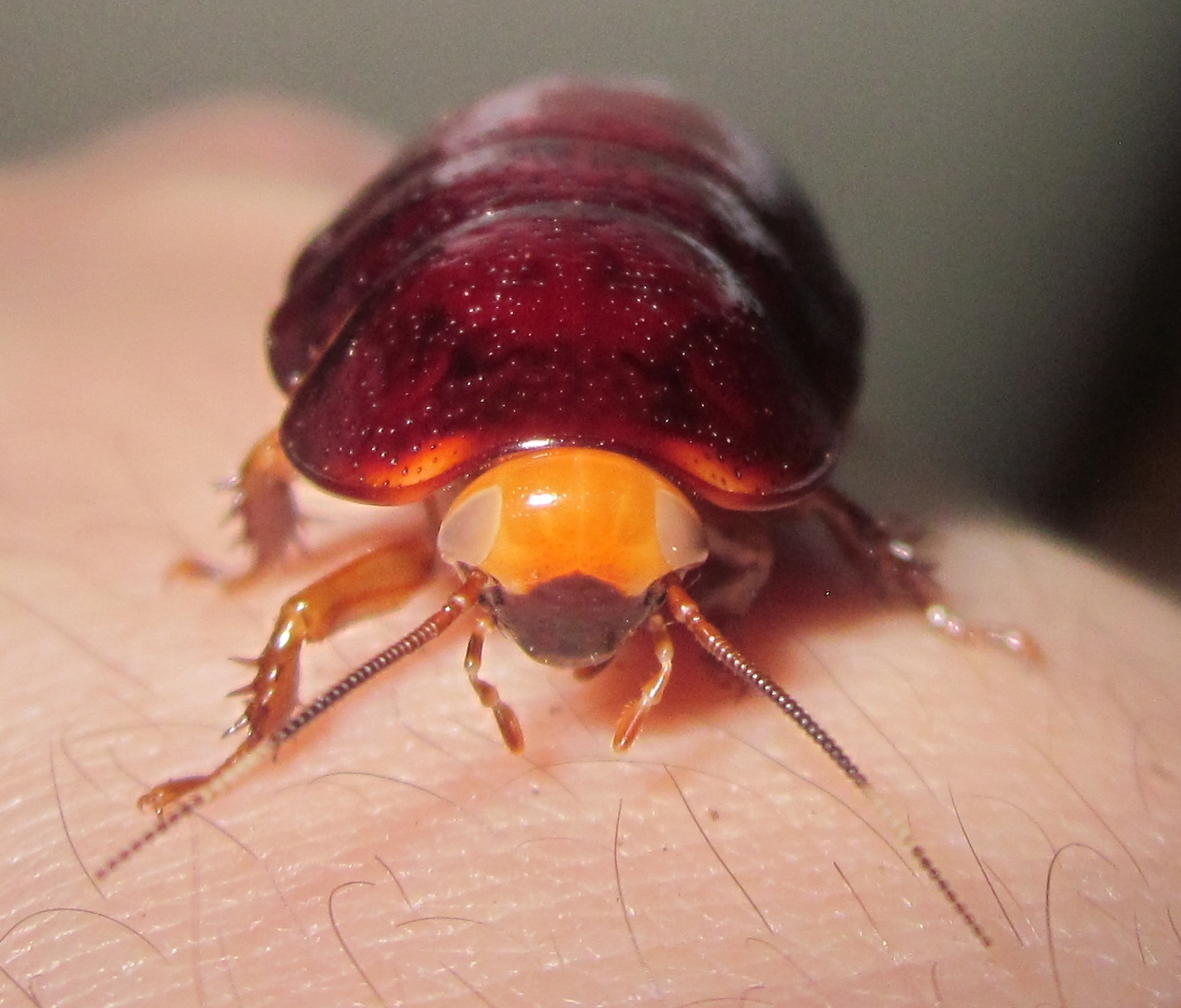
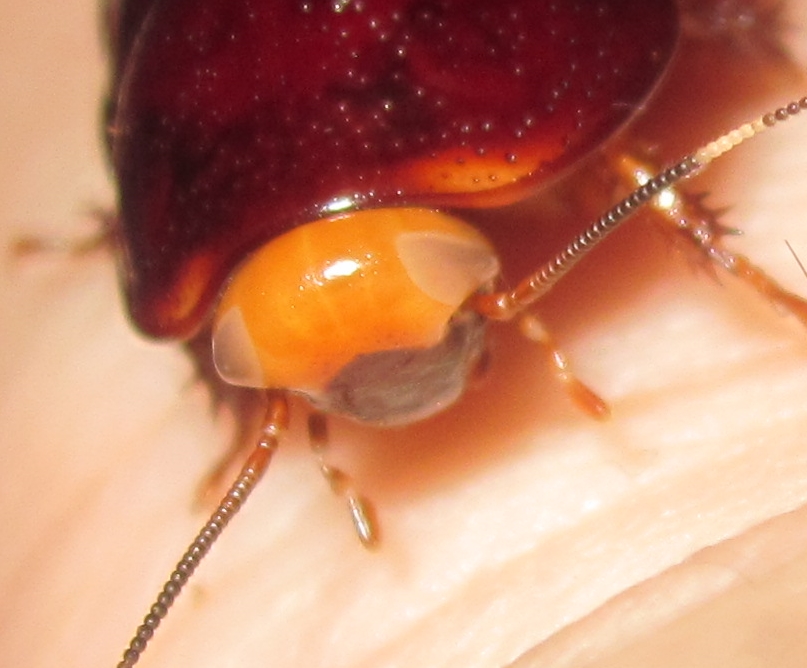
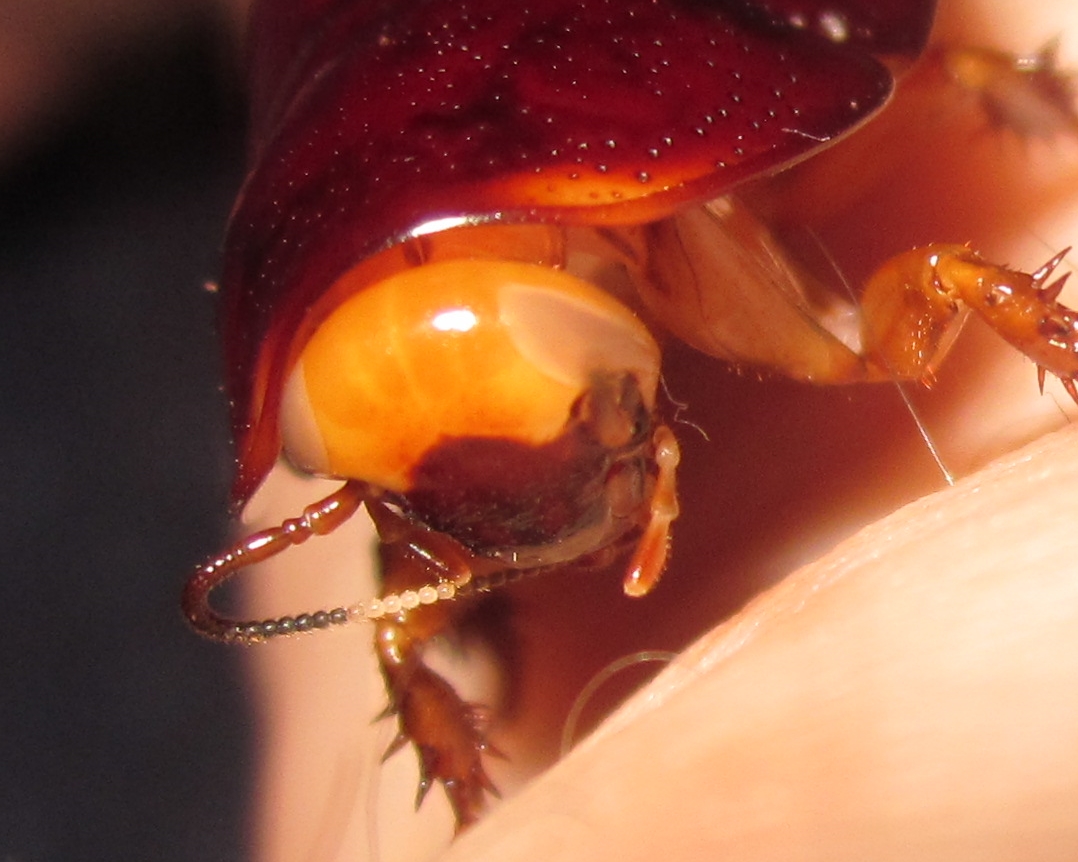
Let's start off with the most exciting, Arenivaga sp. "Mt Ord, AZ". I'm quite happy to finally get the chance to work with this species, which has actually been in culture for a couple years now at least. They're supposedly rather easy to breed, and a decently sized Arenivaga too. They were originally collected by Ben Senigaglia in the accumulated duffy debris at the bottom of an old tree stump at Mount Ord, AZ. As such they've been given the common name "Mount Ord Stump Roach", which I think is pretty apt and cute.
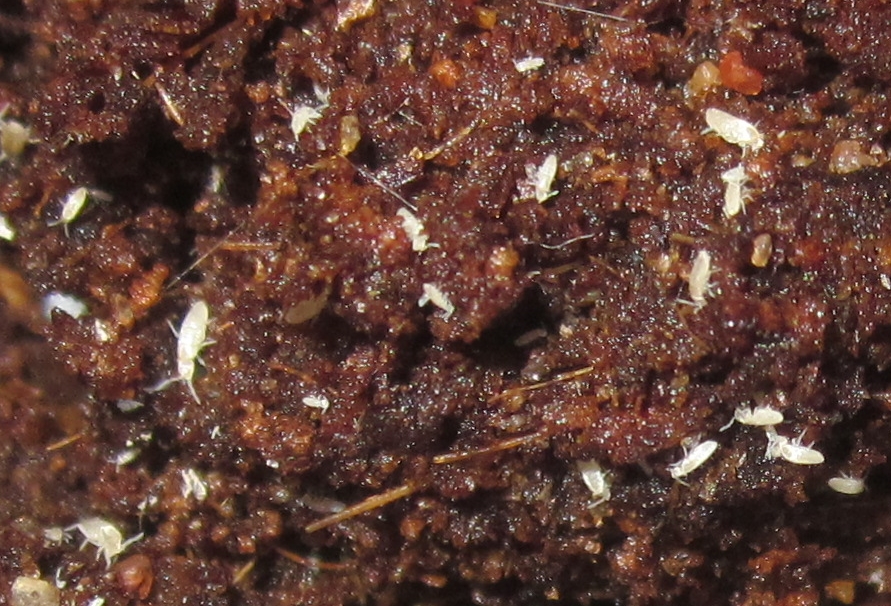
I have my starter culture of small nymphs in a very well ventilated 24 oz deli cup, with nearly two inches of coconut fiber as the substrate, one third kept humid, the rest bone dry. I added a layer of crushed leaf litter on top of the substrate for them to feed on, and in addition to this will also offer dog food regularly for protein. I'm keeping them at around 75F°.
Here are some pictures of a couple nymphs:
Such a cute species, I really can't wait to see adults! I have yet to see a single picture of an adult male of this strain, once I do though I'd like to give a crack at identifying them...
Mixed in with the Tenebrio obscurus oats was a single Mezium affine, a type of "Spider Beetle", so called because of their superficial similarity to spiders (since the head tucks into the thorax most times, so it looks like it only has two major body parts, like a spider).
These grain pests have gained a foothold in the captive invertebrate hobby, as an easy to culture oddball. Some people claim they have feeder use, however their larvae are tiny and usually never seen, as they bury into their food sources (usually dog food or something similar). And adults are very hard shelled and probably not very meaty, so I don't know what would want to eat them. 🤷😅 They certainly are prolific if kept properly though, and I personally find the appeal with such species is just to have a swarm of something to look at sometimes.
Anyways, I have no idea if this single adult is male or female, and it's pretty banged up, missing most tarsi and parts of some tibiae too. The hopes of establishing a colony with this one individual are very bleak indeed... But I chucked it into a 4 oz deli cup with a thin layer of sand at the bottom, and a small handful of dog food on top, just in case. Keeping it at room temps.
Here are some pictures of my sole spider beetle:
If I actually establish a culture from this single individual, it'd be pretty hilarious... 😂 If not though, after seeing this species in person and liking how cute they are, might actually have to get a proper starter culture at some point... 🤔
Now for something even more obscure in the pet/feeder trade, which also came in the Tenebrio oats... the "Cigarette Beetle" Lasioderma serricorne. These are pests of stored goods as well, and while these ones have been reared on oats and dog food, their name comes from their propensity for eating dried tobacco products, like cigarettes.
I've got mine in a small, moderately ventilated deli cup filled with a layer of the oats they can with and dog food as the substrate/food, with cardboard pieces on top for the adults to hide in between. Keeping them at room temps. Admittedly there are still some Alphitobius mixed in there, which I'll likely need to separate from the culture in the future if I don't want them outcompeting the Cigarette beetles.
Here are some pics of these diminutive cuties:
I find grain and other misc food pests pretty interesting to culture, they're so undemanding, and a few of them make for some of the best feeders out there. Others are more odd and are really only of interest to those who like obscure little inverts, like myself. 😅
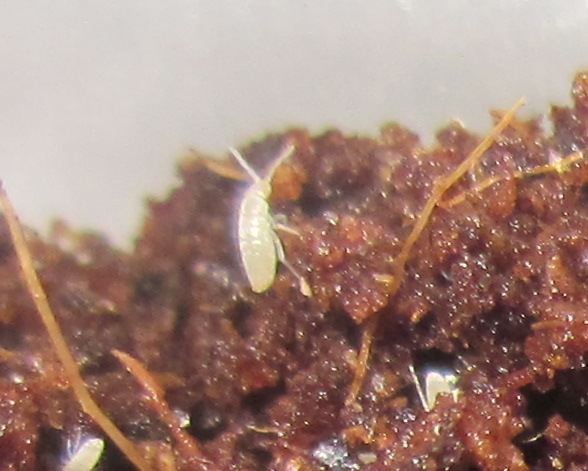
Speaking of which, there are also some Liposcelis sp. "Booklice" living in the oats, which I'll refer to as Liposcelis sp. "Brown - TX". Would be nice to establish a breeding population of those too, I used to have other Liposcelis in my collection, but they were outcompeted by springtails and predatory mites...
There are also tiny little wasps popping up in that culture, probably parasites of one of the beetles (I'm betting the Cigarette beetles). I've been trying to smash them as I find them since I don't really want parasitic wasps in my collection that pose a risk to the minute beetles I like to culture... 😅
Well, that about covers everything I got in this package, big thanks to Ty for sending these species to me! 😁
Thanks for reading this post, hope everyone enjoyed, stay safe, and I'll see you all next time! 😉