Showing posts with label Eleodes obscura glabriuscula. Show all posts

Saturday, September 10, 2022

Pretty Princisia, Moth Fly Surprise, & More!

Here are some short little updates on a few of my invertebrates. 😊

First off, my Princisia vanwaerebeki "Big/Black" are doing well, and I'm getting a lot of really pretty adults this generation. 😁 One male in particular really caught my eye the other week while doing maintenance, and I just had to get some pictures of him:


Ain't he a big beauty? 😍

Now for an update on the Moth flies I talked about in one of my recent posts. Apparently they are NOT Lepiseodina conspicua, but rather Setomima nitida. 🤔 Kyle originally noticed the Setomima popping up in his Lepiseodina culture at around the F7 generation of the colony, and initially thought they were merely aberrant Lepiseodina. He's not sure how they got mixed in with them, and even weirder, he's ONLY finding Lepiseodina adults in his culture now. 

However the culture I have is entirely just these Setomima nitida, and I've never seen an actual Lepiseodina conspicua in the colony... 😅 Perhaps when I initially got the culture from Kyle, it was truly a mix of Lepiseodina and Setomima, but after the immediate mass die off they had (due to me not giving them any ventilation in their original setup), all the Lepiseodina conspicua died off, and the only survivors were a few hardy Setomima nitida larvae... 🤔 It's the only rational explanation I can think of. Oh well, they're still pretty IMO, and now I have actual showy moth flies to look forward to acquiring in the future. 😄

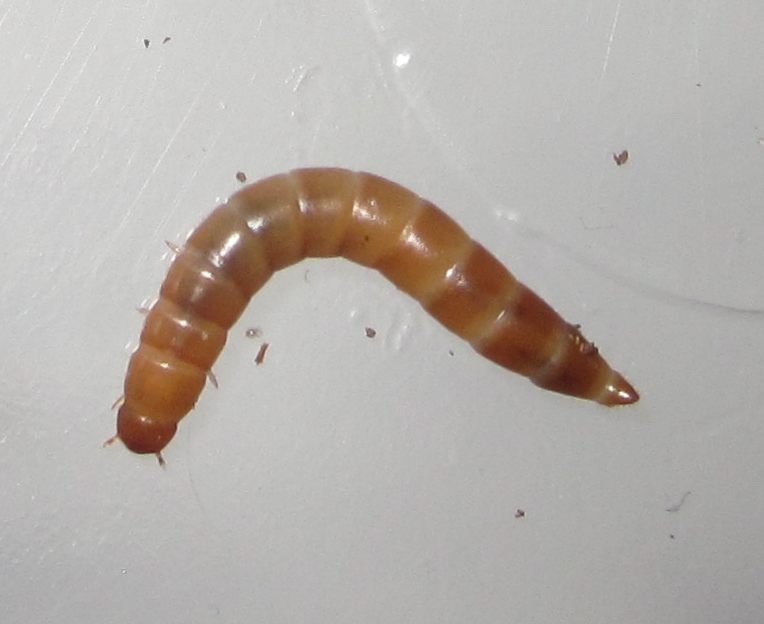
Next up, my Neatus tenebrioides have produced quite a few larvae, and are now up for grabs on my For Sale Page. 😉 The larvae are quite cute and chonky, and boy are these things prolific! A very cool species that I see having great feeder potential!

Here are some pics of one of the larvae:


Cute right? 😄 So chubby, kinda remind me of lighter colored Alphitobius larvae.

I'm happy to report that I finally started getting larvae from my Eleodes obscura glabriuscula again, apparently this species/subspecies only lays in late Summer and is very in tune with when that is, even in captivity. 😅 Hopefully this time I'll rear more than one CB adult up, especially now that I KNOW I'm actually getting larvae from them. 😆 

Here are a couple pictures of my two females (one WC, one CB):


Hopefully I can get a nice colony of these going and establish them in captivity, fingers crossed! 🤞

Next up, I'm seeing eggs being laid from my next generation of Vonones ornata adults! 😁 These were giving me a bit of trouble compared to V.sayi when it came to housing multiple adults together, but it seems the only issue was food availability, particularly live prey availability. V.ornata are much more predatory and seem to require prey items at all times to keep the adults happy and stop them from killing each other... 😅 Thankfully springtails work just fine for them, and I've been dunking in tons to keep them happy and fed.

Here are a couple pictures I got of some of my adults:
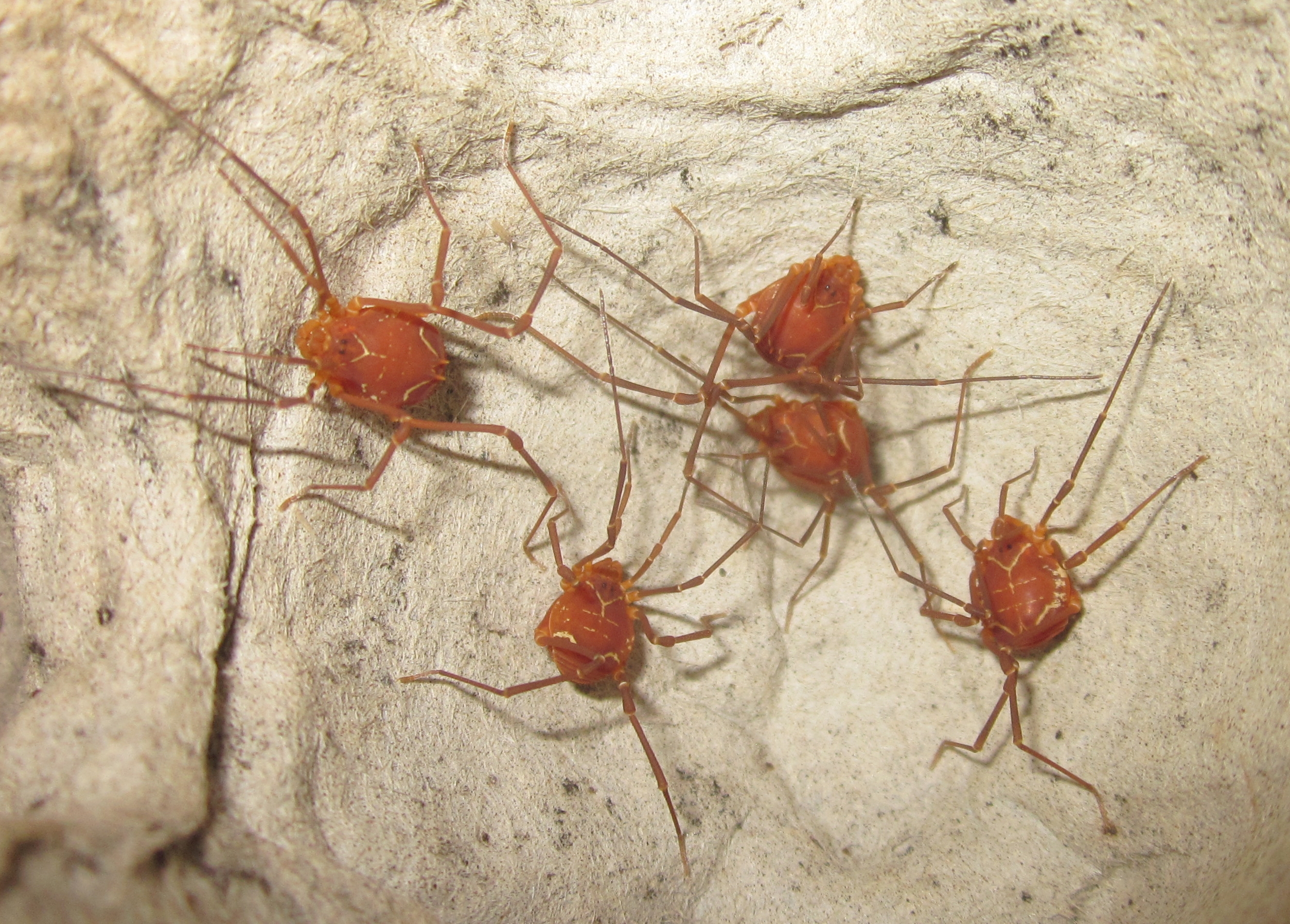


Very cool Arachnids, so underrated in the hobby IMO!

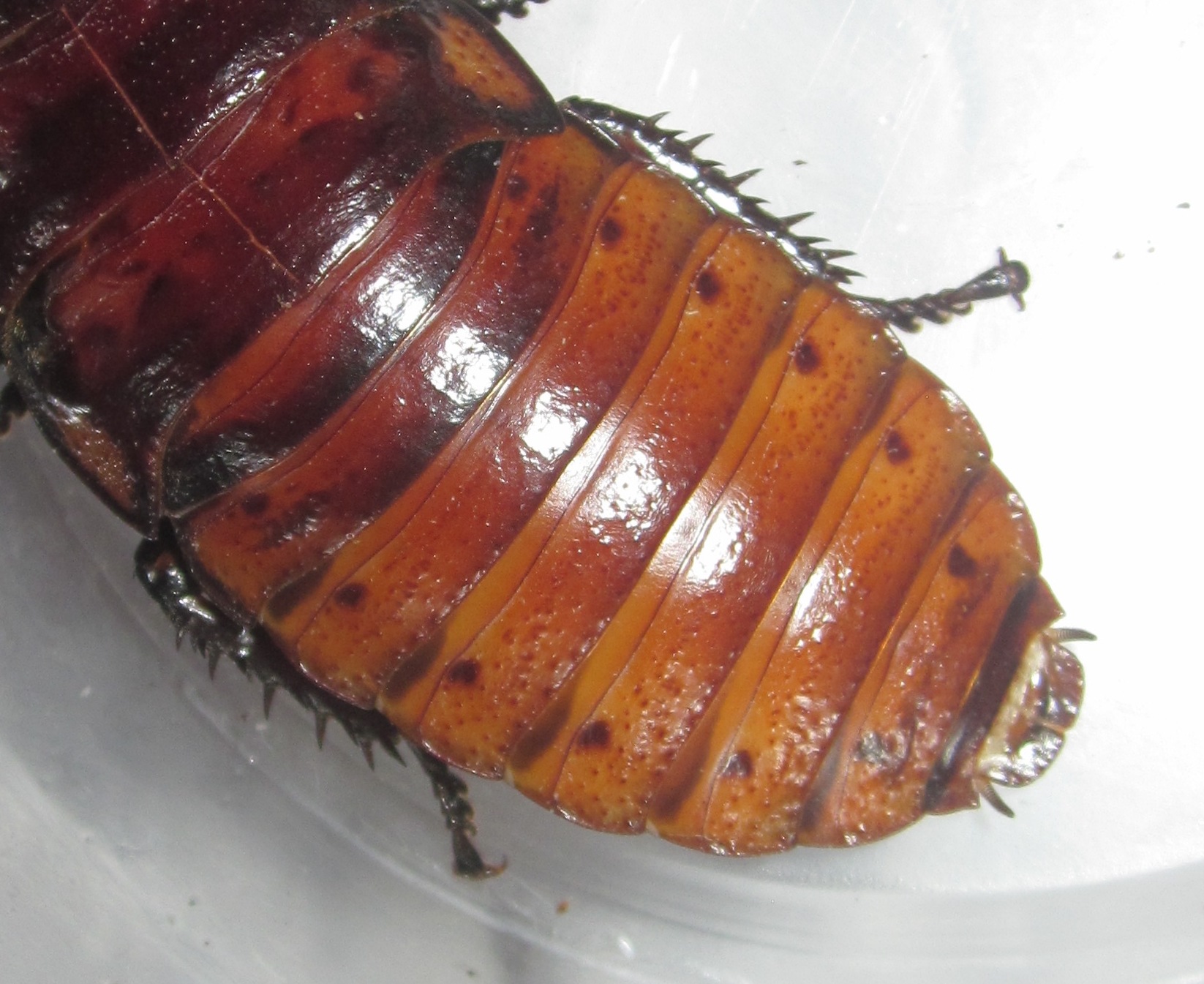
Lastly a short update on my Perisphaerus punctatus "Macao". They're doing fantastic, got lots of new adults, have had several new broods born in the last few months, overall they've been such a pleasant species to work with. 😊

Anyways, finally got some decent pictures of a group of this species rather than the few individual pictures I had, so without further adieu:


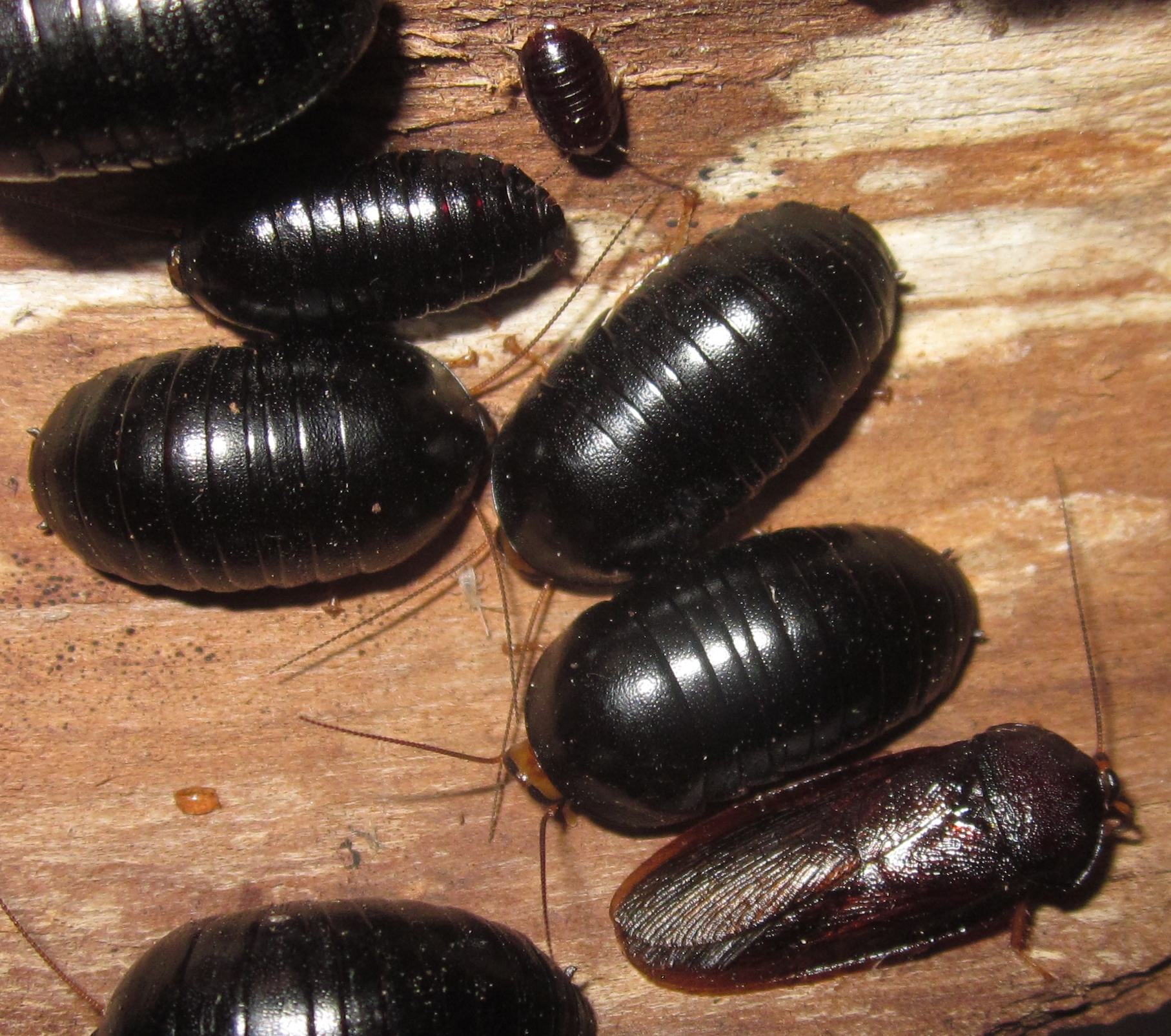


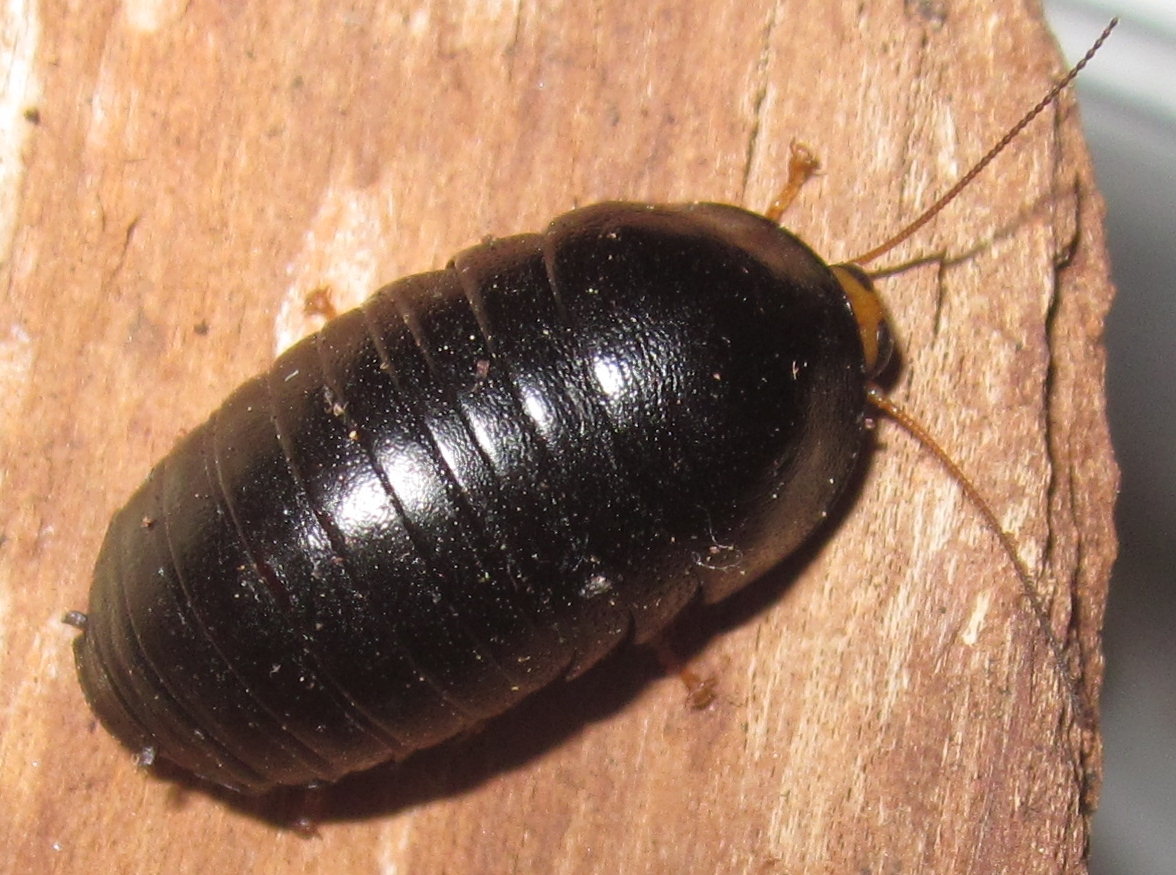
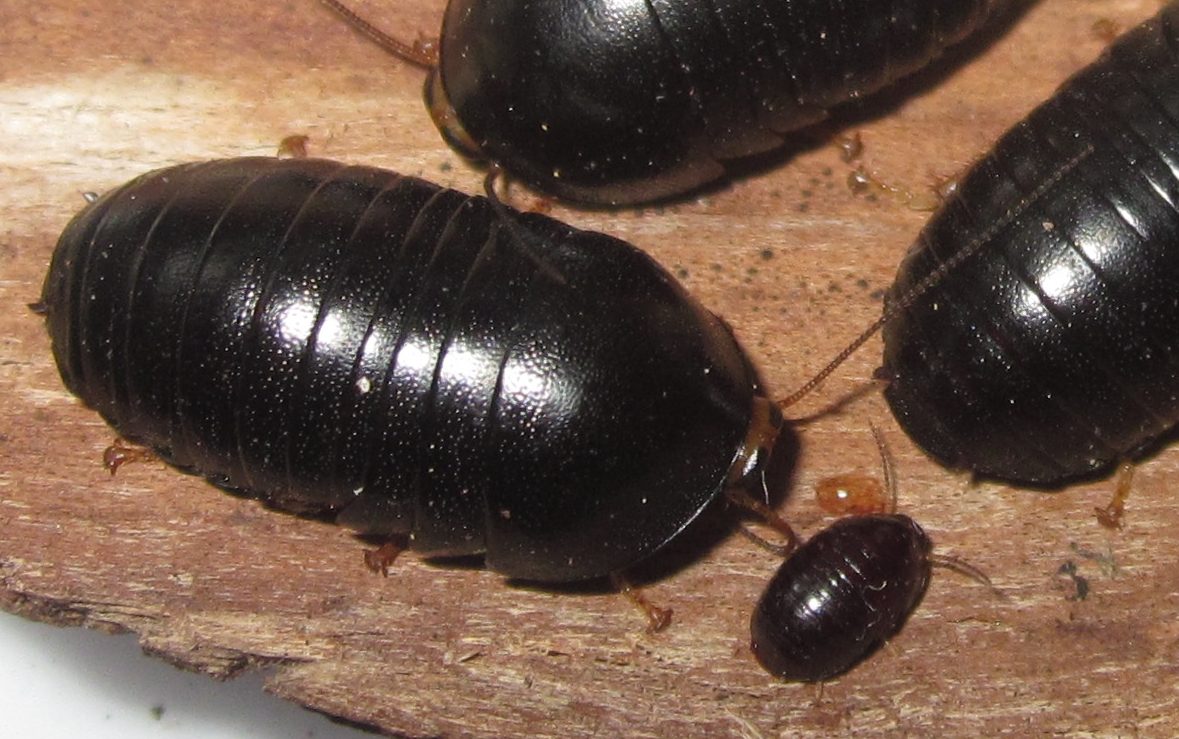


I'll never not love Perisphaerus, this had got to be one of my favorite roach genera ever. 😁

Anyways, that does it for this post, thanks for reading, hope everyone enjoyed, take care, and I'll see you all next time! 😉

Wednesday, May 25, 2022

Gromphadorhina, Eurycotis, Eupolyphaga & Eleodes Updates!

It seems all my Gromphadorhina portentosa "Masoala" are now mature, and man are they pretty! 😁 I sadly was too lazy to get pictures of large nymphs, but they are very pale and a mixture of neat reds and oranges that you don't typically see on old US stock portentosa strains. A drastic change from the very dark coloration the younger nymphs have.

Most of the adults are pretty large despite being reared in a rather small enclosure, the males are easily the largest portentosa males I've seen in person (even the hybrids I kept in the past didn't get this large). Most of the adults have got a really rich orange coloration to their abdomens, with some black markings here and there. A couple are lighter orange, but the most impressive by far are a couple of my females that are a stunning cherry red color. Even their pronotums are red, and it's not teneral coloration at all. 😍 This might be a trait I try to isolate as it's own strain in the future, for now I'll keep them all together though and let the first generation produced by me have as much of it's natural color variation as possible.

Here are some pictures of a couple males and one of the cherry red females:

Adult male #1


Adult male #2


Adult female


SUCH a nice strain, it's amazing that we've got another pure strain of portentosa in the US hobby, with locality data nonetheless! 😁 Kyle at Roachcrossing is also working with another old stock of portentosa originally maintained by UCR that seems to be pure as well (and more variable in coloration than the old "Cleveland Aquarium" stock). So we're really gaining new pure hisser strains with speed this year! 😄 Hopefully they keep on coming, can never have enough hissers in culture IMO!

Now, no pics for either of these updates (because I've been super busy lol), but I've gotten hatchlings from both my Eurycotis sp. "Venezuela" my & Eupolyphaga sinensis "White Eye" cultures! 😃 Both have been a breeze to culture so far, I was expecting the Eurycotis especially to be rather finicky, but they've not given me any trouble at all, with most of my adults still being alive and well, and making more ooths! 😂 The Eupolyphaga are also doing well, and I think some of the small nymphs I got in the original group are subadult males already! So I'll try and get pics of those when they mature for sure!

Lastly, it appears I made an oopsie with a couple of the TX Eleodes spp. that I got last year... 😅 

So, I had my Eleodes hispilabris "South TX Race" and Eleodes obscura glabriuscula housed in separate containers originally. However, I had my hispilabris in a rather cramped container, and the numerous males were stressing the females out with constant mating attempts. So I threw some of those males in my E.obscura setup since the two can't hybridize. Now, for some reason, I wasn't getting any offspring from my E.obscura, and then all of a sudden I started getting larvae after I put the hispilabris in with them... 🤔 Well, turns out one of those "male" hispilabris was really just a rather skinny female I sexed incorrectly, and the larvae I looked at had plain orange heads (compared to the red heads of obscura larvae). So I chalked it all up to the obscura having been collected too late in the Summer to still lay eggs that year (and indeed several of the adults died mere months later), and eventually housed the rest of my hispilabris in that same setup, thinking it was completely dominated by them now anyways. This was also the same setup that had a stray Alaus lusciosus grub find it's way inside that absolutely gorged itself on Eleodes larvae, so that whole setup was a mess lol. 🤣

Afterwards, I moved my obscura from setup to setup, basically just waiting until winter came so I could give my remaining pair a diapause and then hopefully get them laying again next year. That's what I did, and I moved them to their own new setup a few months ago, and am expecting them to breed by early Summer. 

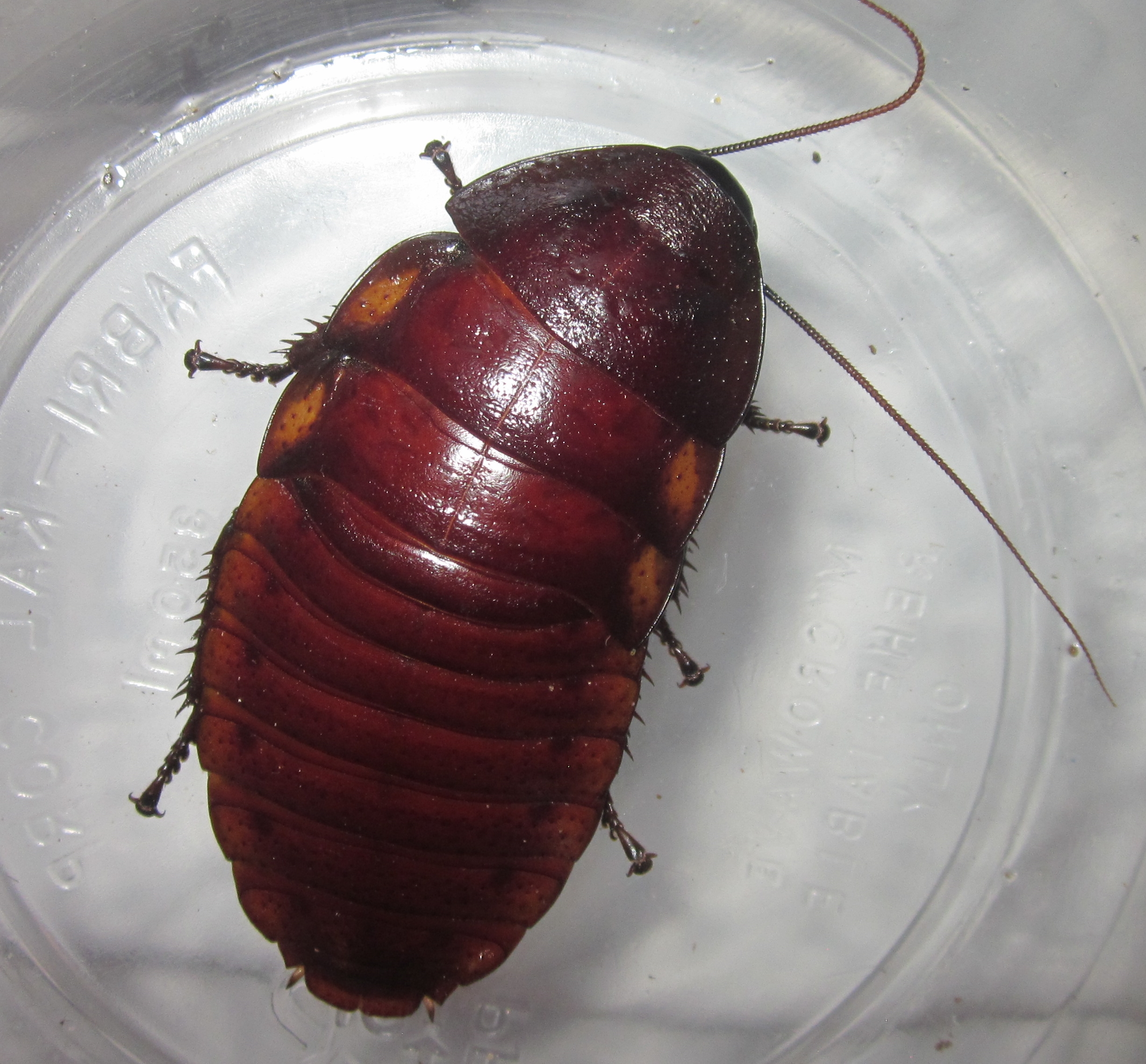
Unexpectedly though, I didn't get very many of my E.hispilabris larvae to survive to a mature size, and most of the ones I tried pupating died off in their pupal cells, which is unusual since hispilabris is normally a rather easy species to rear. Finally one of the larger larvae not only pupated, but survived and eclosed successfully last week... But much to my surprise, was NOT hispilabris:


Yup, that's a female Eleodes obscura glabriuscula. 😂 So APPARENTLY I DID get larvae from them earlier last year, probably at the same time I started getting hispilabris larvae, but somehow didn't notice since the few larvae I checked definitely were hispilabris (and indeed I've reared a couple true hispilabris up to adulthood from that same batch of larvae). This explains the low larval survival rate in the breeding bin though, since the larvae of different Eleodes spp. will eat each other readily (they don't like competing for resources with other species). And it also explains the poor survival rates of the larvae I've tried pupating, since obscura are notoriously difficult to pupate and are finicky about humidity levels. 

So, on the plus side, for the first time ever I both successfully bred and reared up an adult Eleodes obscura! 😁 However, if I actually knew I HAD obscura larvae, I'd have put more effort and care into rearing and pupating then and probably would have had much better results... I also probably fed several of them off to random things too thinking they were just hispilabris, so, pain... 🙃 But, now I've got a WC female, a CB female, and a WC male, so hopefully the male mates with both the females and I get lots of larvae from them in their new setup this Summer. Plus, I've got a couple large larvae I'm still trying to pupate which I think are actually obscura, so here's hoping I can rear up a couple more adults! 🤞

Also, as a last update, the WC hispilabris (and couple CB adults) have started producing larvae in their setup again, this time they're the ONLY beetle species in that bin, so I should get much more offspring and have much better survival rates from them (and maybe actually rear up more than a couple adults). 😄

Well, that does it for this post, thanks for reading, hope everyone enjoyed, stay safe, and I'll see you all next time! 😉