Tuesday, June 14, 2022

Random Roach Updates

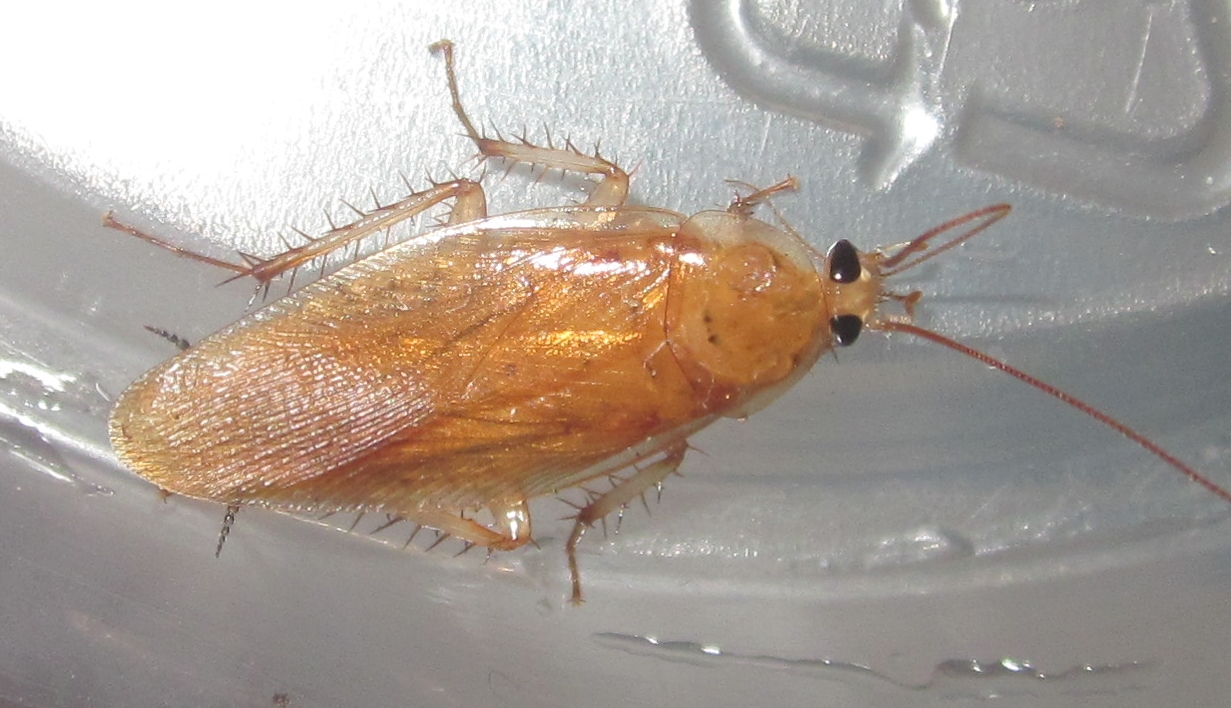
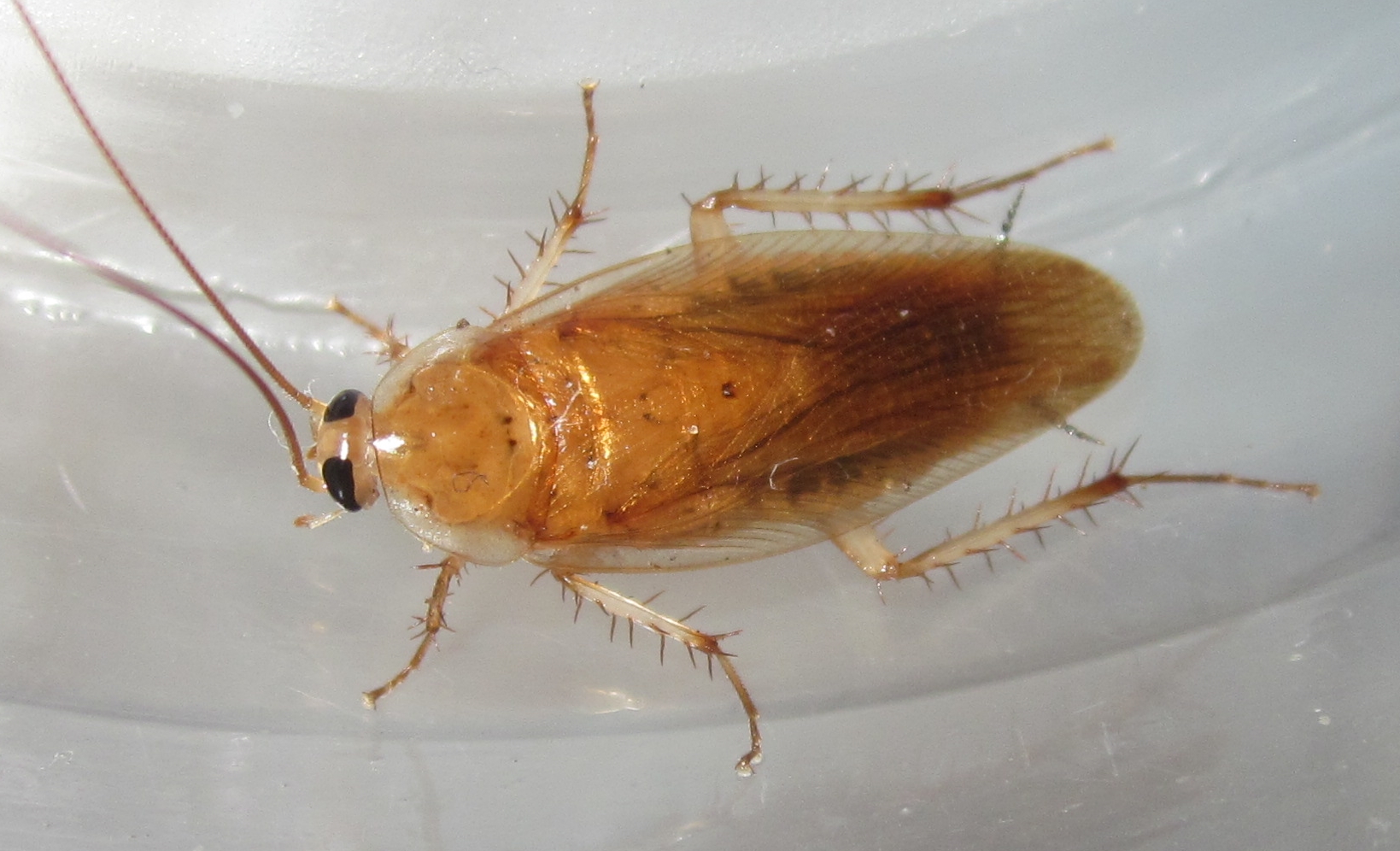
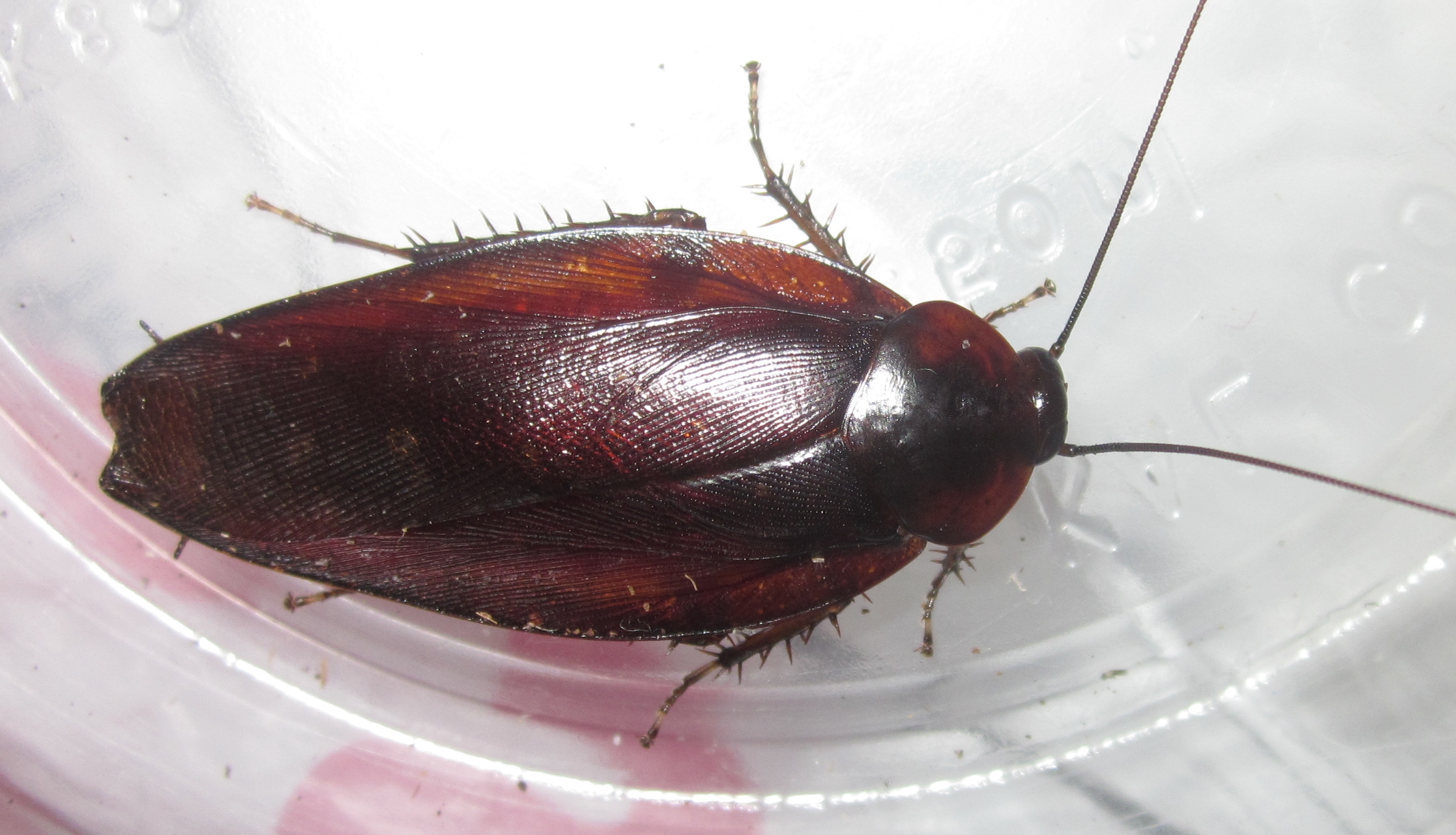
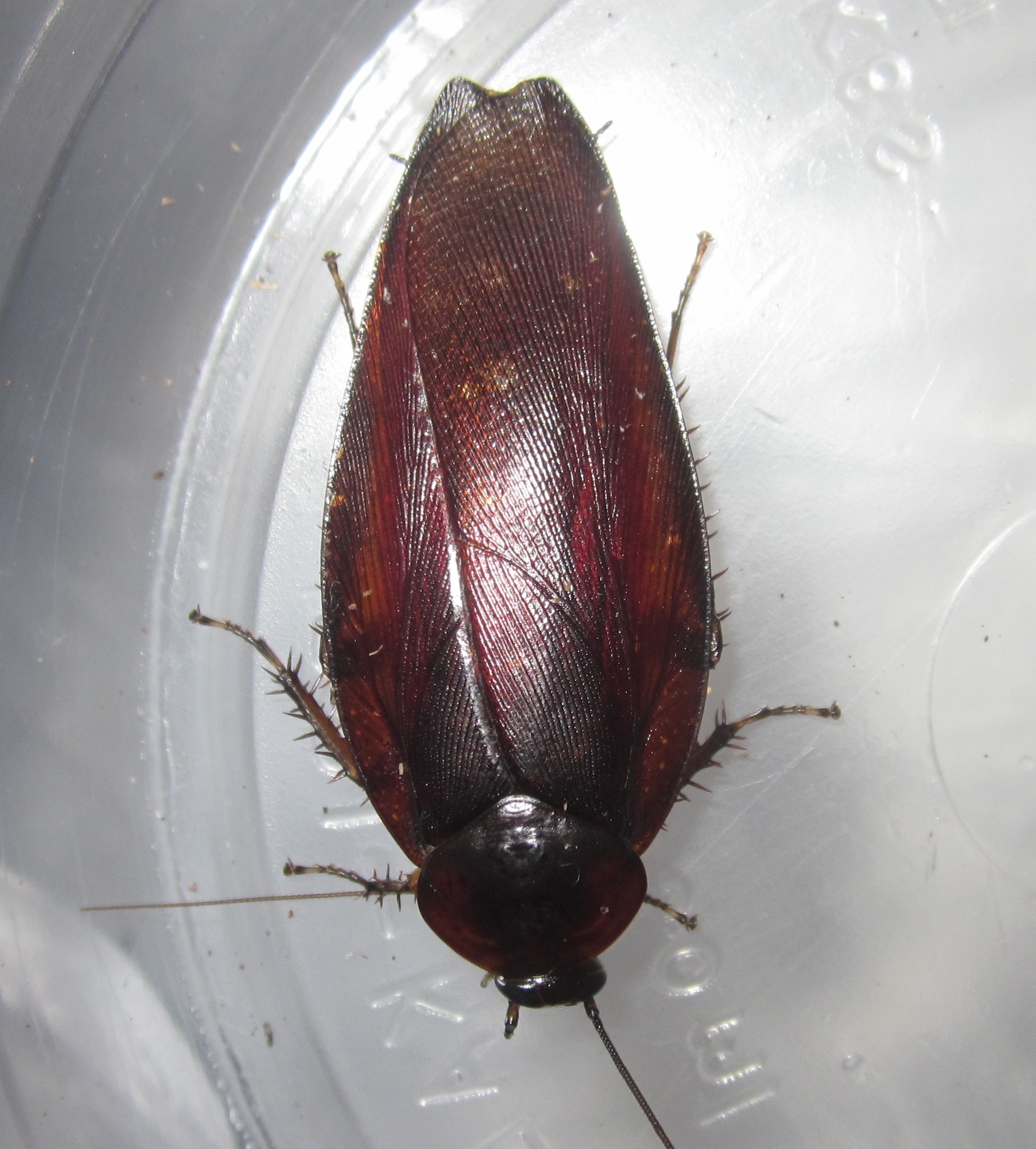
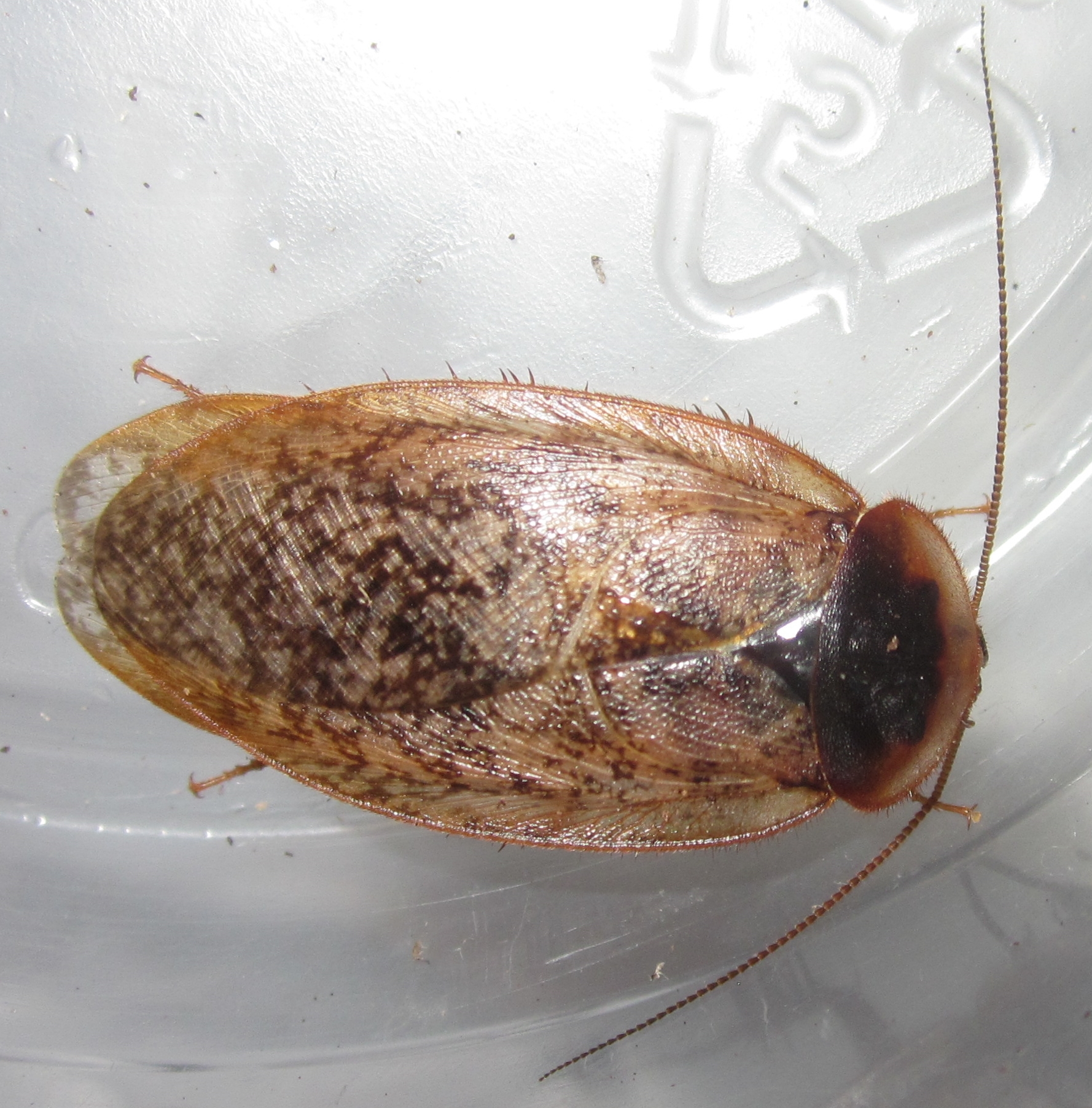
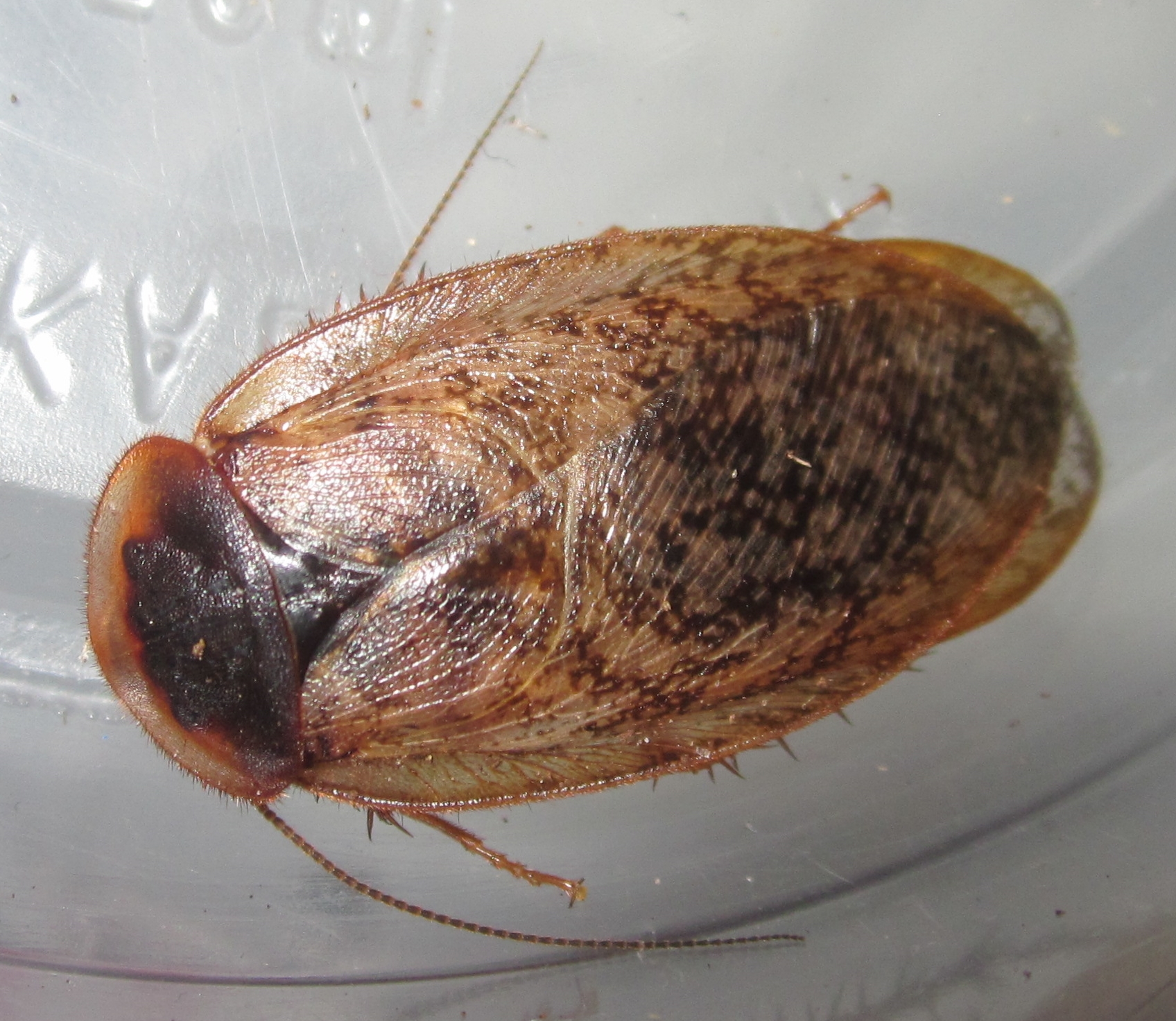
Well, as of a couple weeks ago, I've finally got Symploce morsei adults! 😁 Looks like I have several pairs ATM, and they're already mating and pumping out ooths, so fingers crossed for some babies soon! This species is quite pretty IMO, large nymphs have very interesting coloration, and the adults are a beautiful, pallid orange-brown color.

Here are some pics of a couple large nymphs, and a couple adults:

Nymphs


Adult male


Adult female


Let's hope I start seeing hatchlings soon, if so then I'll have passed the main hurdle of breeding this species: hatching the ooths! 🤞 😄

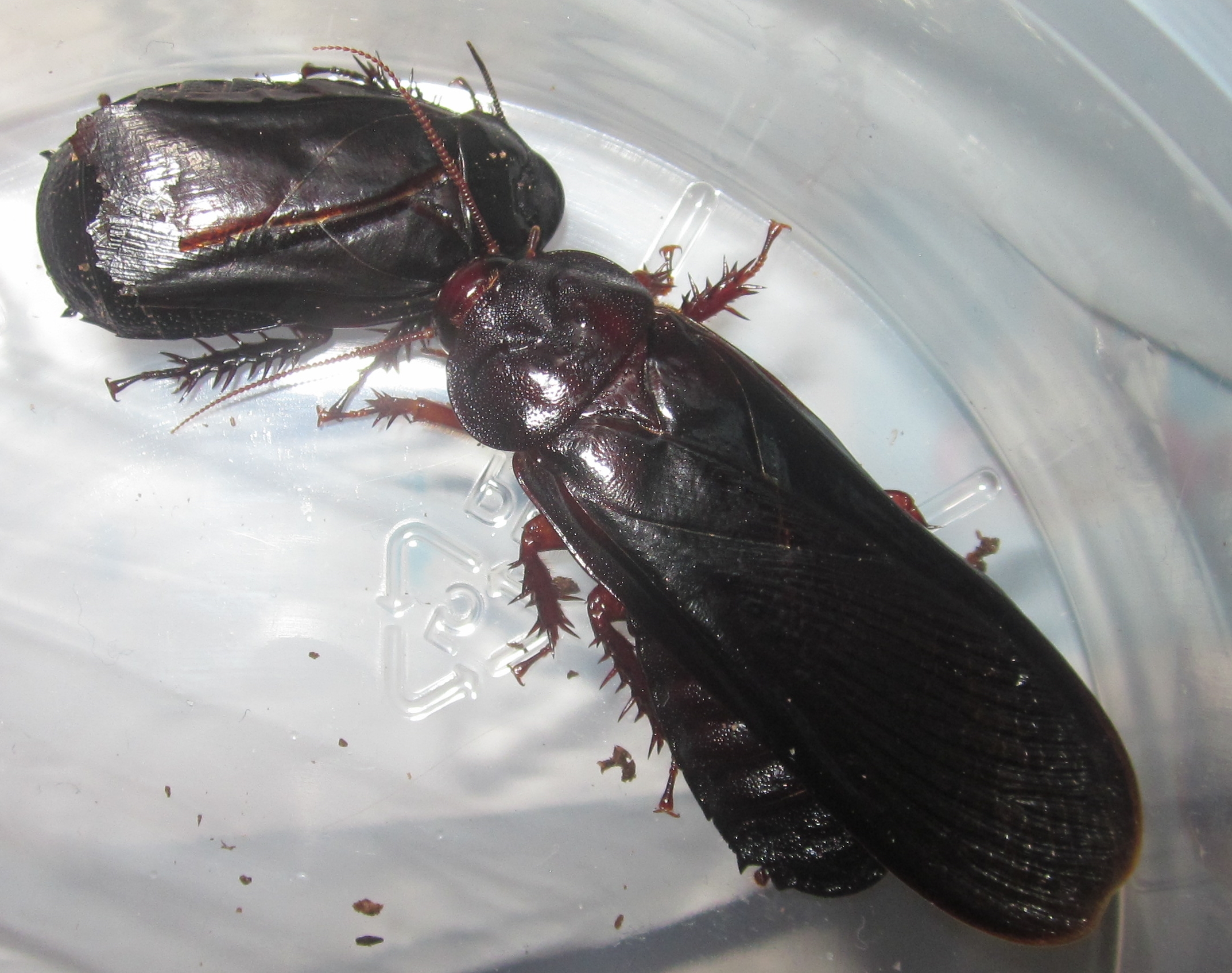
Now this is quite exciting, my largest Rhabdoblatta parvula nymph, a male, has reached maturity. 😁 At least one of my female nymphs is a pre-sub now, and the other nymphs are growing well (some faster than others), so I should be able to breed them here within a month or so! 

Here are some pictures of the beauty:
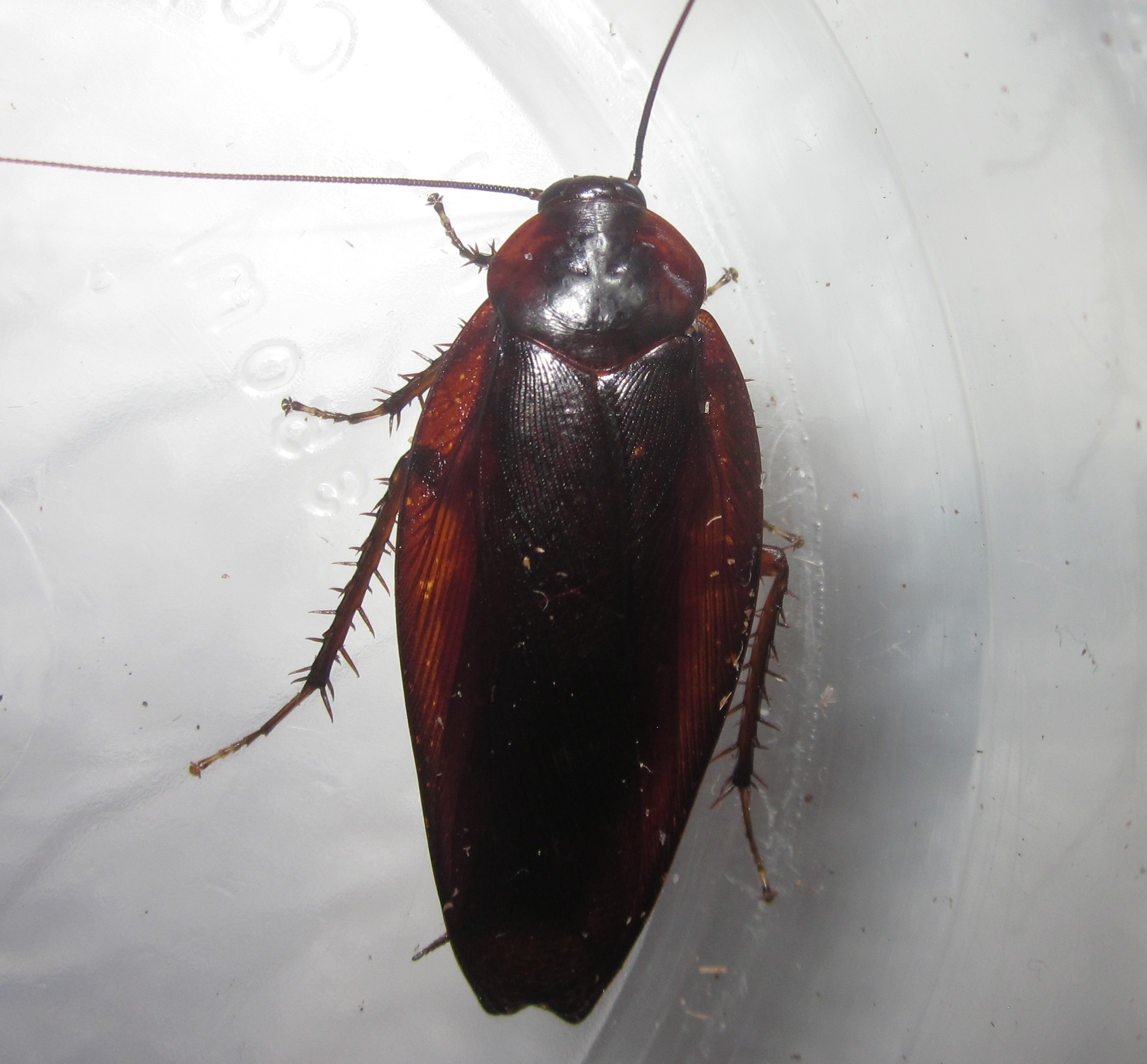


Gorgeous right? 😍 Females of this species are supposedly a brighter red color, so the sexual dimorphism is strong in this species. Fingers crossed I get to see an adult female here soon!

Now, remember the itty bitty Salganea raggei nymphs I got from Ty Randall in November? Yeah they're mature now, well most of them are. 😂 Salganea seem to grow super fast for Panesthiinae, 6-8 months or so under optimal conditions. I had forgotten just how large these are compared to the other species of Panesthiinae I work with, they're giants compared to the rest! 😄

Here are some pictures of one of the young adults:


S.raggei VS P.a.cognata

As you can see, compared to Panesthia angustipennis cognata (one of my larger Panesthiinae), these things are giants. 😄 Hopefully they'll breed well for me, fingers crossed!

Lastly, a few of the nymphs that came in my original group of Eupolyphaga sinensis "White Eye" are maturing now, including some males. 😁 So, I finally get to show off what an adult male of this species looks like!

Here he is:
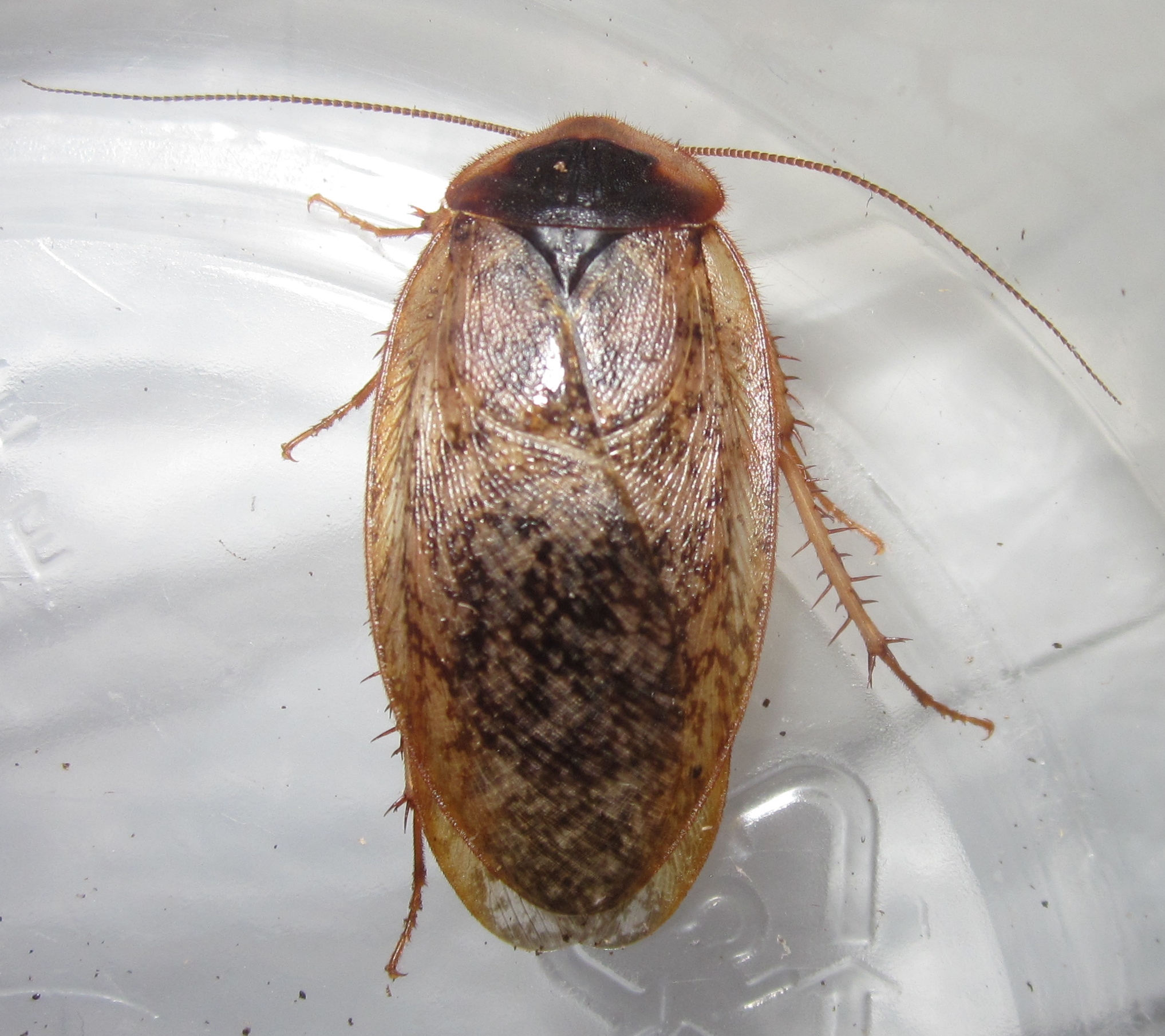


Such pretty males, kinda look like normal form Arenivaga bolliana males, but a bit hairier. 😀

Anyways, that's gonna do it for this post, get ready for another couple series of new acquisition posts coming up though! 😄 Thanks for reading, hope everyone enjoyed, stay safe, stay buggy, and I'll see you all next time! 😉

Saturday, June 11, 2022

Iphthiminus Last Try

Well, I'm trying again with my Iphthiminus serratus. 😅 I kind of neglected these in 2021 after the failure that was my 2020 breeding attempt (I only reared one larva to adulthood). Surprisingly 3 of my wild adults and my one CB adult survived up until this Spring, I had just been keeping them in a 16 oz deli cup with a thin layer of substrate and a few small pieces of bark for hides for a year.
I began to feel bad late last year though, so I gave them a mild diapause in the Winter, and then when it started warming up this Spring I moved them to a well ventilated gallon shoebox with a couple inches of rotten pine wood substrate, and pine bark hides. About a month afterwards my largest WC adult died, but I do think they've bred (and that large one may have been a female that laid her last group of eggs before dying), since I'm seeing what looks like chewed sawdust popping up in areas of the substrate... 

The plan this time is to NOT isolate any larvae despite their cannibalistic nature, since they don't seem to like being disturbed at all. Instead I'm just gonna leave them be and hope 4-5 will pick corners of the enclosure to dominate, and I'll get at least a few adults reared up. If I do get even a few to mature then I'll have a decent breeding group of CB adults and can continue to slowly grow the population up yearly with this method, and hopefully experiment with using larger enclosures in the future. Basically, not gonna be distributing these in the hobby anytime soon, but am hoping to keep a self sustaining culture going for my personal collection for the time being.

Anyways, here are some pics of one of the adults:


Shame these aren't easier, as not only are they very cool looking, but they're also quite long lived! 😄 Wish me luck breeding this species this year! 🤞

Anyways, that's gonna do it for this post, thanks for reading, hope everyone enjoyed, stay safe, stay buggy, and I'll see you all next time! 😉

Saturday, June 4, 2022

One of These Things is Not Like the Other

For a while, all seemed normal in my Epilamprinae sp. "Kota Kinabalu" colony. All the nymphs I originally acquired last year reached maturity, and began to have nymphs of their own (in fact I'm overrun with them at this current point in time! 😂). But then a couple weeks ago I lifted up a piece of bark in their setup (which I've barely done, since most of the Epilamprinae tend to stay higher up in their setup in their cardboard hides), and much to my surprise, found a single, presumably pre-sub female Pseudophoraspis sp. "Kota Kinabalu" nymph underneath! 😲 🤣

I have no idea how she snuck in there, must have gotten mixed in with the Epilamprinae as they were being packed, or perhaps it was small enough to escape though the ventilation holes in their shipping cups when I got them all late last year, and went from the Pseudophoraspis cup to the Epilamprinae cup... 🤔 Either way, pretty neat find, though she seemed quite beat up from being housed with the Epilamprinae, with her tarsi bit off on most of her legs, so the two definitely don't play nicely together...

In any case, this provided me with an opportunity to get photos of a large nymph of this species, and man are they pretty! 😍


I love love LOVE their spines! The coloration is really nice too, overall just a super unique Epilamprid. I've sent her to Kyle at Roachcrossing, since he's got a pair himself that's at a similar stage of development, so I figured she'd do well in that setup. Hopefully she'll mature soon, breed, and I can get babies off of him in the future, provided he has success with them... 😉

Anyways, that's gonna do it for this short post, thanks for reading, hope everyone enjoyed, stay safe, stay buggy, and I'll see you all next time! 😊

Thursday, June 2, 2022

The Return of Pie-Dish Beetles!

Roachcrossing April Package Series Pt. 5/5
««« Previous post in series

Well after finding out that seemingly ALL captive stock descended from my old colony of Embaphion muricatum are infested with entomophagous Trichoderma mold, I've resigned myself to needing to source wild stock of that species again if I want to culture them in the future...

However, thankfully one species of Embaphion that was lost from culture a few years back has returned, from a new locality, and they are obviously not infested with any fungal pathogens. Reintroducing to my collection, Embaphion contusum contusum! 😁 Kyle's the one who brought these back, collected from Las Cruces, NM, and he's coined the common name "Bruiser Pie-dish Beetle" for this species, no doubt in reference to the Latin "contusum". These are arguably easier to breed than E.muricatum (which are already quite easy under normal circumstances), and with the five adults Kyle sent me I've already gotten a lot of offspring from them. 😄

I've got them set up in a well ventilated gallon container with an inch of old used coconut fiber as the substrate. They've got toilet paper rolls as hides and one third of the substrate is kept moist, the rest bone dry. Keeping them at room temps, and am offering them dog food as the staple diet.

Here are some pictures of one of the adult females:


Such a nice species, this whole genus is quite unique, and I hope I can get more representatives of this genus in my collection in the near future. 😁

Anyways, that wraps it up for this series! Thanks to Kyle for the awesome package, be sure to check out Roachcrossing.com if you're interested in buying some neat inverts. 😄 Thanks everyone for reading, hope you enjoyed, stay safe, stay buggy, and I'll see you all next time! 😉